Call us now :08071791128
 Send Inquiry
 Send Inquiry
Potassium Bromate
Price 400.0 INR/ Kilograms
MOQ : 25 Kilograms
Potassium Bromate Specification
- Solubility
- water soluble
- Structural Formula
- KBrO
- Form
- Other
- Taste
- Odorless, slightly saline
- Smell
- Odorless
- Molecular Formula
- KBrO
- Density
- 3.27 Gram per cubic centimeter(g/cm3)
- Shape
- Crystalline, granular or powder
- Ph Level
- Neutral to slightly alkaline in aqueous solution
- Molecular Weight
- 167.00 Grams (g)
- Other Names
- Potassium bromate
- Purity
- 99 %
- Melting Point
- 370 C (decomposes)
- HS Code
- 28299090
- Boiling point
- Decomposes before boiling
- Storage
- Room Temperature
- Poisonous
- Yes
- Classification
- Inorganic Chemicals
- Chemical Name
- Potassium Bromate
- CAS No
- 7758-01-2.
- EINECS No
- 232-464-7
- Grade
- Industrial Grade
- Standard
- Meets food grade and analytical grade requirements
- Type
- Inorganic compound
- Usage
- Potassium bromate (KBrO ) is a powerful, colorless oxidizing agent historically used in the baking industry as a flour improver to strengthen dough, increase bread volume, and create a finer crumb. Because it is a suspected carcinogen linked to kidney and thyroid cancers in lab animals, it is banned in many parts of the world, including the UK, Canada, the EU, and India.
- Main Material
- Potassium bromate
- Application
- Industrial, Organic Synthesis, Pharmaceutical
- Non Toxic
- Yes
- Hazard statements
- May cause fire or explosion; strong oxidizer; harmful if swallowed
- Incompatibility
- Strong reducing agents, organic materials, combustible substances
- Solubility in Alcohol
- Slightly soluble
- Decomposition Products
- Releases oxygen and bromine compounds upon decomposition
- Packaging
- 25 kg bags/drums or as required
- Shelf Life
- 2 years under proper storage conditions
- Color
- White
- Appearance
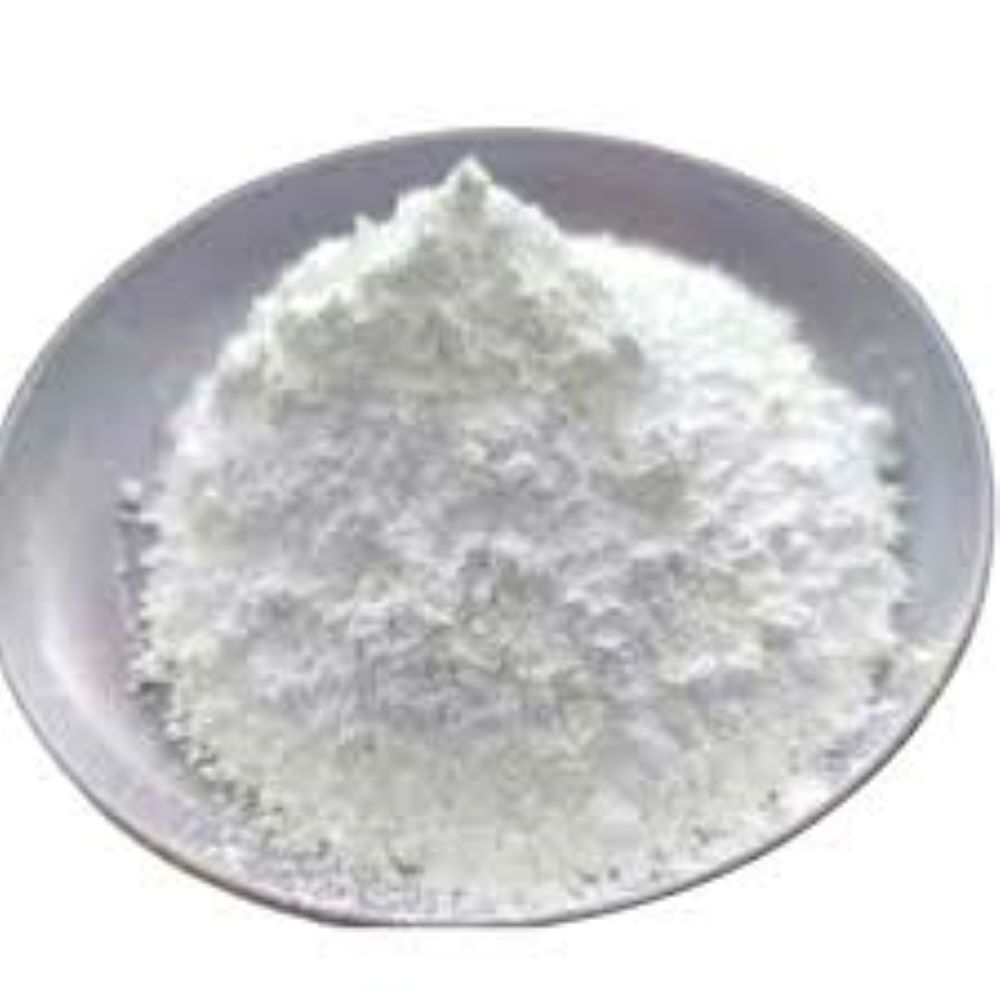
- White crystalline powder or granules
- EC Number
- 232-464-7
- Stability
- Stable under recommended storage conditions, decomposes on heating or in presence of organic matter
Potassium Bromate Trade Information
- Minimum Order Quantity
- 25 Kilograms
- Supply Ability
- 100 Kilograms Per Week
- Delivery Time
- 5 Days
- Packaging Details
- 25 kgs
- Certifications
- COA,MSDS
Potassium Bromate About
Potassium bromate (KBrO) is a potent oxidizing agent typically supplied as an odorless, white crystalline powder. It is primarily utilized in laboratory analysis, titrimetric determinations, and historically as a flour maturing agent. It is heavily restricted or banned in food production globally due to its classification as a potential human carcinogen.Powerful Oxidizing Agent for Industrial Applications
Potassium bromate (KBrO3) is highly valued in industrial and laboratory settings for its potent oxidizing properties. This compound plays an essential role in organic synthesis and pharmaceuticals, facilitating various chemical reactions. Thanks to its consistent, high-grade purity and controlled stability, it ensures reliable results in diverse industrial operations.
Storage and Handling Guidelines
For optimal stability, potassium bromate should be stored at room temperature, away from strong reducing agents, organic materials, and combustible substances. Proper storage conditions extend shelf life up to two years. As an oxidizer, it demands strict safety protocols, including use of non-reactive containers and minimal exposure to heat or moisture to prevent hazardous decomposition.
Product Packaging and Delivery Options
Our potassium bromate is available in standard 25 kg bags or drums, with custom packaging solutions to meet unique customer requirements. We prioritize safe and compliant packaging to maintain product quality during transit, ensuring you receive the compound in optimal condition for immediate use.
FAQ's of Potassium Bromate:
Q: What are the recommended storage conditions for potassium bromate?
A: Potassium bromate should be kept at room temperature in tightly sealed containers, away from heat sources, strong reducing agents, organic matter, and combustible substances to maintain stability and prevent decomposition. Proper storage helps maximize the product's two-year shelf life.Q: How is potassium bromate typically used in industrial settings?
A: Potassium bromate is utilized as a robust oxidizing agent in organic synthesis, pharmaceutical formulations, and various industrial chemical processes. Historically, it was used in the baking industry to strengthen dough, but this application is now restricted or banned in several countries.Q: What are the primary hazards associated with potassium bromate?
A: Potassium bromate is a strong oxidizer and poses significant risks, including fire or explosion hazards. It is harmful if swallowed, toxic if inhaled or ingested, and is a suspected carcinogen based on links to kidney and thyroid cancers found in laboratory animals.Q: When does potassium bromate decompose, and what are the decomposition products?
A: Potassium bromate decomposes when exposed to heat or in the presence of organic material. Upon decomposition, it releases oxygen and bromine compounds, which can contribute to fire or explosion risks in unsuitable environments.Q: What packaging options are available for potassium bromate supply?
A: The product is commonly supplied in 25 kg bags or drums to facilitate safe transport and storage. Customized packaging can be arranged to meet specific customer needs, ensuring secure handling for various applications.Q: Where is potassium bromate prohibited for food or baking use?
A: Potassium bromate is banned as a food additive in many regions, including the United Kingdom, the European Union, Canada, and India, due to its classification as a suspected carcinogen. Its use in baking is highly regulated or prohibited in these areas.Q: What are the benefits of using potassium bromate in appropriate industrial processes?
A: When handled correctly in non-food applications, potassium bromate offers substantial benefits as a dependable oxidizing agent, improving efficiency and outcomes in chemical synthesis and certain pharmaceutical processes.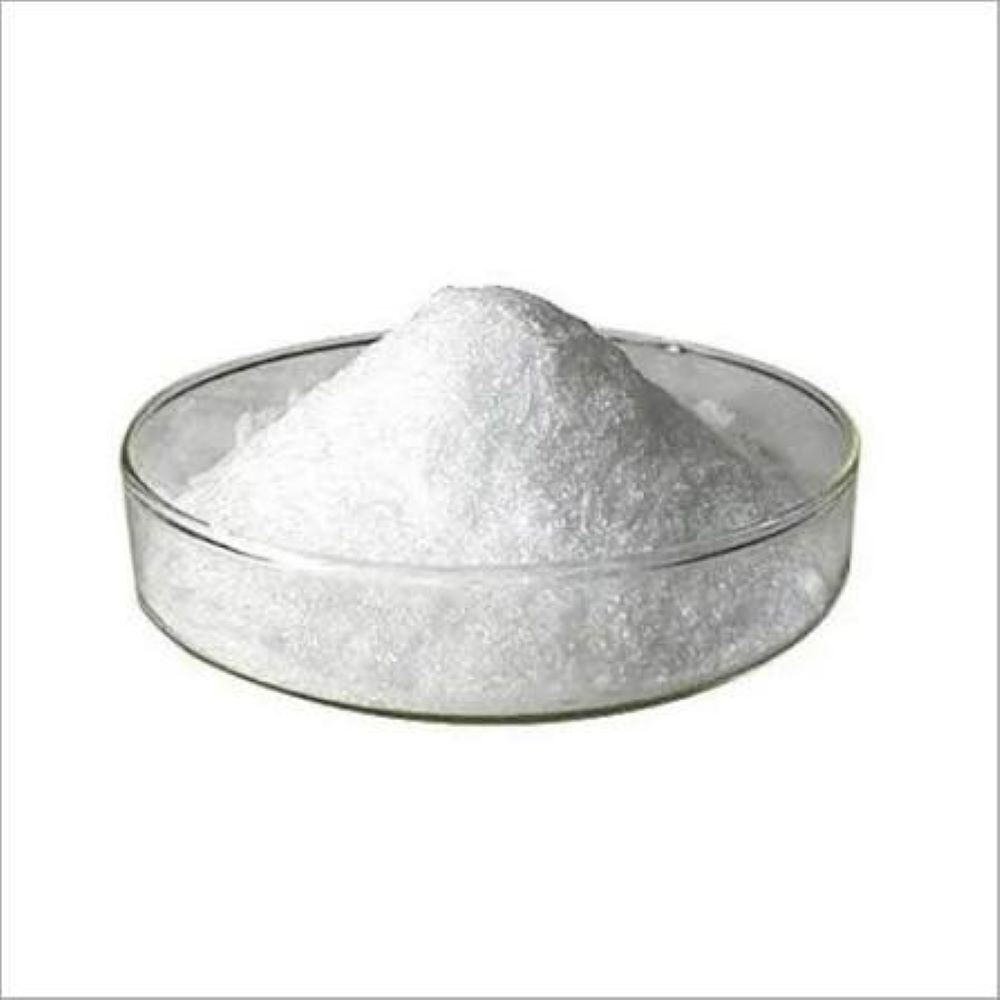
Tell us about your requirement

Price:
Quantity
Select Unit
- 50
- 100
- 200
- 250
- 500
- 1000+
Additional detail
Mobile number
Email

More Products in Industrial Chemicals Category
Tetraethylammonium tetrafluoroborate (TEABF4)
Price 35000.0 INR / Kilograms
Minimum Order Quantity : 25 Kilograms
Molecular Weight : 217.06 g/mol Grams (g)
Shape : Crystalline
Ph Level : 5.0 7.0
Density : 1.15 g/cm Gram per cubic centimeter(g/cm3)
Para Tertiary Butylphenol
Price 400.0 INR / Kilograms
Minimum Order Quantity : 25 Kilograms
Molecular Weight : 150.22 g/mol Grams (g)
Shape : Crystalline solid, Other
Ph Level : Approximately 7 (neutral)
Density : 0.945 Gram per cubic centimeter(g/cm3)
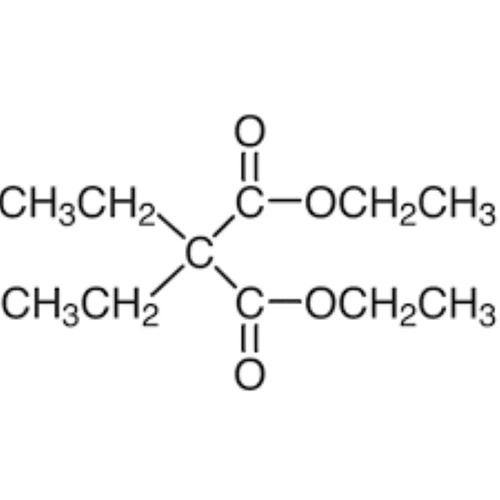
Diethyl Diethyl Malonate
Price 200.0 INR / Kilograms
Minimum Order Quantity : 25 Kilograms
Molecular Weight : 216.27 g/mol Grams (g)
Shape : Liquid form
Ph Level : Neutral
Density : 0.99 Gram per cubic centimeter(g/cm3)
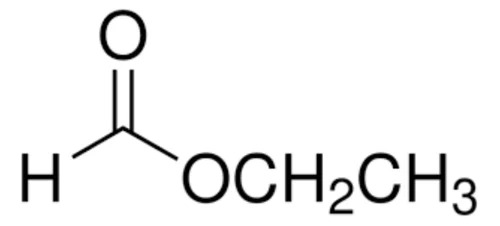
Ethyl Formate Cas 109-94-4
Price 260.0 INR / Kilograms
Minimum Order Quantity : 200 Kilograms
Molecular Weight : 74.08 g/mol Grams (g)
Shape : Clear, mobile liquid
Ph Level : Neutral to slightly acidic upon hydrolysis (decomposes into formic acid)
Density : 0.917 Gram per cubic centimeter(g/cm3)

 Send Inquiry
Our Products
- Industrial Chemicals
- Pharma Intermediate
- Chemical Intermediates
- Chemical Compounds
- Amino Acid
- Chemical Reagent
- Industrial Solvent
- Organic Chemical
- Precious Metal And ITS Salts Chemical
- API Intermediate
- Dye Intermediate
- Organic Compound
- Inorganic Salt
- Organic Salt
- Phase Transfer Catalyst
- Aromatic Hydrocarbon Solvent
- Aldehydes Chemical
- Api Impurities
- Thiocyanate Derivates
- Alcohol Solvents
- Laboratory Chemical
- Cosmetic Actives
- Industrial Dyes
- Bromobutyric Acid
- Biolgical Buffer
- Cosmetic Chemicals


3rd Floor, Office No. T-6, Satyam Plaza, Complex, New India colony, Nikol, Ahmedabad - 382350, Gujarat, India

Mr Mehul Kanani
(Proprietor)
Mobile :08071791128
 Send Inquiry
 Send SMS
Developed and Managed by Infocom Network Private Limited.


 English
 Spanish
 French
 German
 Italian
 Chinese (Simplified)
 Japanese
 Korean
 Arabic
 Portuguese