Call us now :08071791128
 Send Inquiry
 Send Inquiry
Propionic Acid (79-09-4)
Price 220.0 INR/ Kilograms
MOQ : 25 Kilograms
Propionic Acid (79-09-4) Specification
- Ph Level
- 2.5
- Smell
- Pungent
- Poisonous
- No
- Density
- 0.993 g/cm at 20 C Gram per cubic centimeter(g/cm3)
- Taste
- Sour
- Molecular Weight
- 74.08 g/mol Grams (g)
- Boiling point
- 141 C
- Melting Point
- -21 C
- Storage
- Dry Place
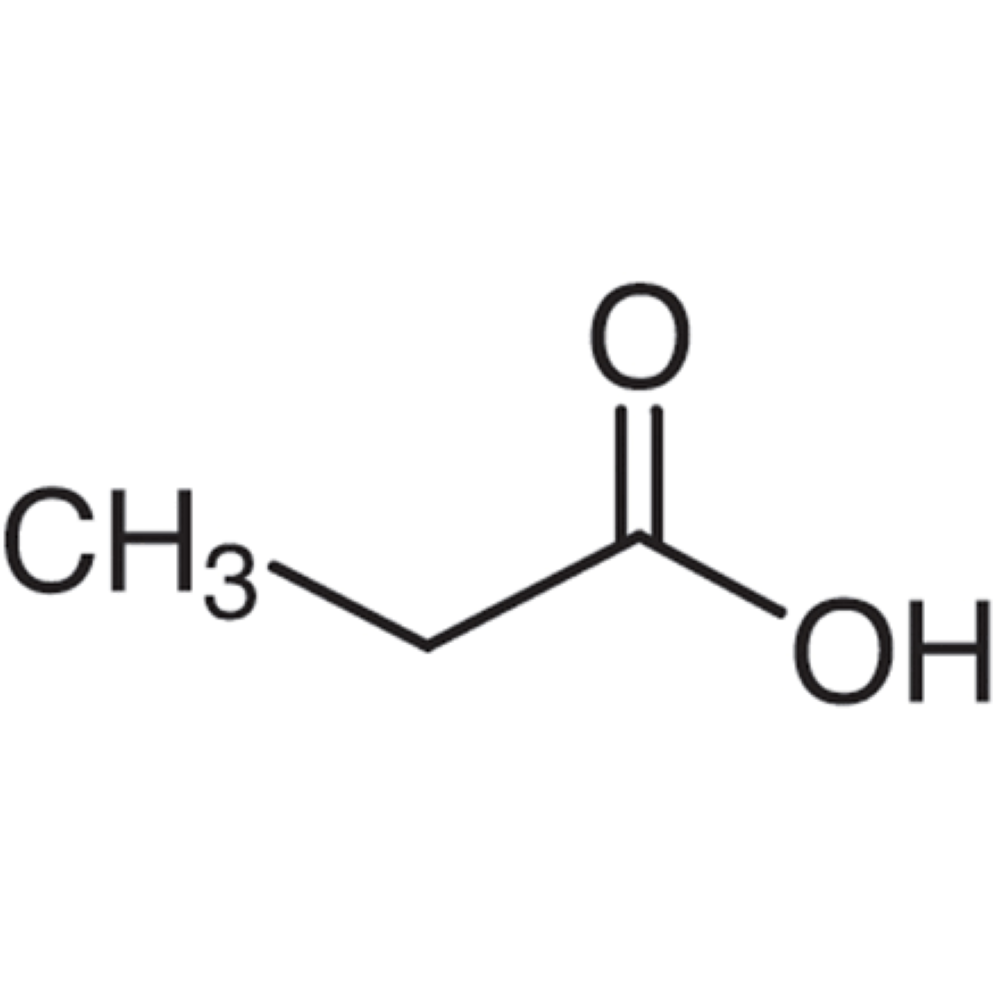
- Structural Formula
- CH3CH2COOH
- Refractive Rate
- 1.386
- Form
- Liquid
- Molecular Formula
- C3H6O2
- Solubility
- Miscible in water, alcohol, ether, and chloroform
- HS Code
- 29155000
- Purity
- 99.5% Min
- Other Names
- Propanoic acid, Methylacetic acid, Ethylformic acid
- Classification
- Organic Chemicals
- Chemical Name
- Propionic Acid
- CAS No
- 79-09-4
- EINECS No
- 201-176-3
- Grade
- Food Grade
- Standard
- ISO / Food Chemical Codex (FCC) / BP Grade
- Type
- Organic Intermediate
- Usage
- Used as a preservative and mold inhibitor in animal feed and bakery products; raw material for cellulose acetate propionate plastics; synthesis of pharmaceuticals, flavors, and fragrances.
- Main Material
- Ethylene, Carbon Monoxide, and Hydrogen (via oxo synthesis) OR Propionibacterium fermentation products.
Propionic Acid (79-09-4) Trade Information
- Minimum Order Quantity
- 25 Kilograms
- Payment Terms
- Cash in Advance (CID)
- Supply Ability
- 500 Kilograms Per Month
- Delivery Time
- 1 Week
- Sample Available
- No
- Sample Policy
- Contact us for information regarding our sample policy
- Packaging Details
- 25 kg hdpe drum , bag packing
- Main Domestic Market
- All India
- Certifications
- coa,msds
Propionic Acid (79-09-4) About
Propionic acid (CAS number 79-09-4), officially known by its IUPAC name propanoic acid, is a naturally occurring, short-chain carboxylic acid with the chemical formula CHCHCOOH. It presents as a clear, colorless liquid that carries a highly pungent, unpleasant odor resembling body odor or sour cheese. [1, 2, 3, 4, 5]Versatile Food and Industrial Uses
Propionic acid is prized for its preservative properties, effectively inhibiting mold growth in animal feed and bakery products. Its widespread use in the food industry is complemented by its utility as a building block in the synthesis of plastics, pharmaceuticals, flavors, and fragrances. With adherence to international quality standards (ISO, FCC, BP), this organic intermediate is relied upon for both safety and effectiveness.
Exceptional Solubility and Stability
This sour-tasting liquid demonstrates outstanding solubility, being miscible with water, alcohol, ether, and chloroform. Propionic acid maintains stability when stored in dry, cool conditions, guaranteeing longevity and effectiveness for diverse applications. Its purity and physical characteristics, such as a boiling point of 141C and refractive rate of 1.386, make it ideal for precise industrial processes.
FAQ's of A Propionic Acid (79-09-4A ):
Q: How is propionic acid typically produced?
A: Propionic acid is manufactured either by oxo synthesis, utilizing ethylene, carbon monoxide, and hydrogen, or through the fermentation of specific bacteria like Propionibacterium. Both processes ensure high-purity outputs suitable for food and industrial grades.Q: What are the main benefits of using propionic acid as a preservative?
A: Propionic acid prevents mold development and spoilage in animal feed and bakery products. Its ability to maintain freshness and extend shelf life without imparting negative flavors makes it indispensable in the food industry.Q: When should propionic acid be stored and handled with extra care?
A: Proper storage is critical, as propionic acid should be kept in a dry, cool place to preserve its stability. Careful handling is recommended due to its pungent smell and acidic nature, which can irritate skin or mucous membranes.Q: Where is propionic acid primarily used?
A: Propionic acid is widely utilized in food preservation, animal nutrition, the production of cellulose acetate propionate plastics, and as an intermediate in pharmaceuticals, flavors, and fragrances industries. Its use extends globally, with India acting as a key exporter.Q: What is the process behind propionic acid's application in food preservation?
A: In food preservation, propionic acid is added directly to products such as animal feed and bakery items. Its inherent acidity (pH 2.5) disrupts the growth of molds and bacteria, ensuring longer shelf life and product safety.Q: How does the solubility of propionic acid enhance its industrial application?
A: Propionic acid's ability to readily dissolve in water and various solvents (alcohol, ether, chloroform) facilitates its integration into numerous chemical processes. This characteristic allows for seamless mixing, dilution, and reactivity in both food and industrial formulations.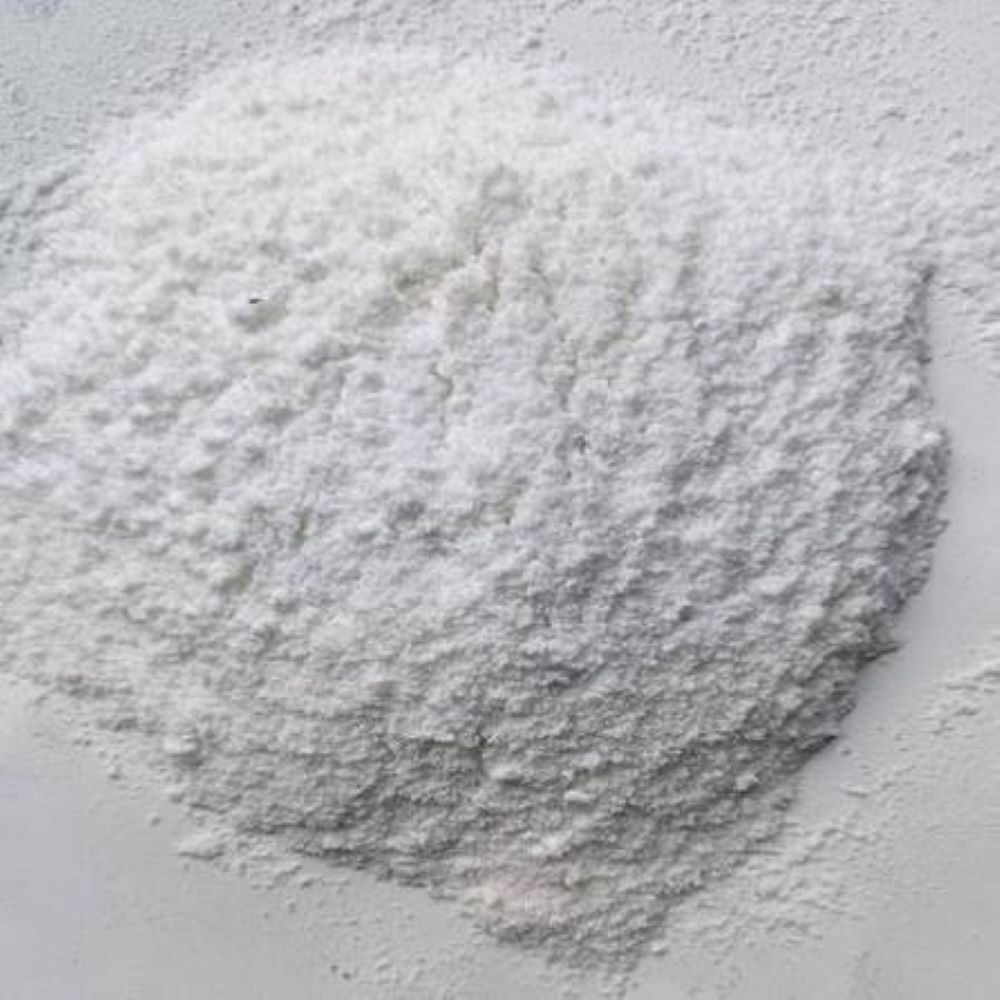
Tell us about your requirement

Price:
Quantity
Select Unit
- 50
- 100
- 200
- 250
- 500
- 1000+
Additional detail
Mobile number
Email

More Products in Industrial Chemicals Category
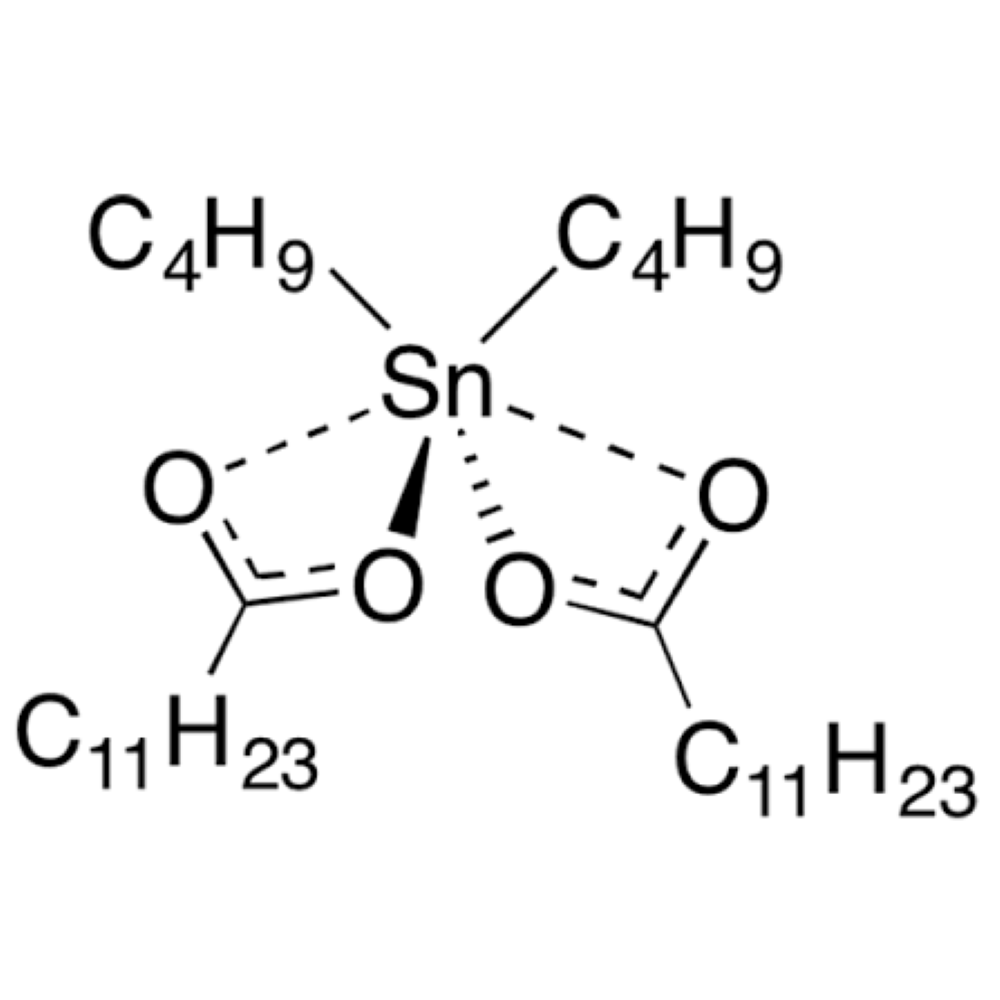
Dibutyltin Diacetate (DBTDA)
Price 2500 INR / Kilograms
Minimum Order Quantity : 10 Kilograms
Shape : Liquid
Application : Industrial, Organic Synthesis, Plastic, Rubber, Paints, Lubricants
HS Code : 2931.90.90 (Organicinorganic compounds; other organotin compounds)
Purity : 98.0% 99.5% Min
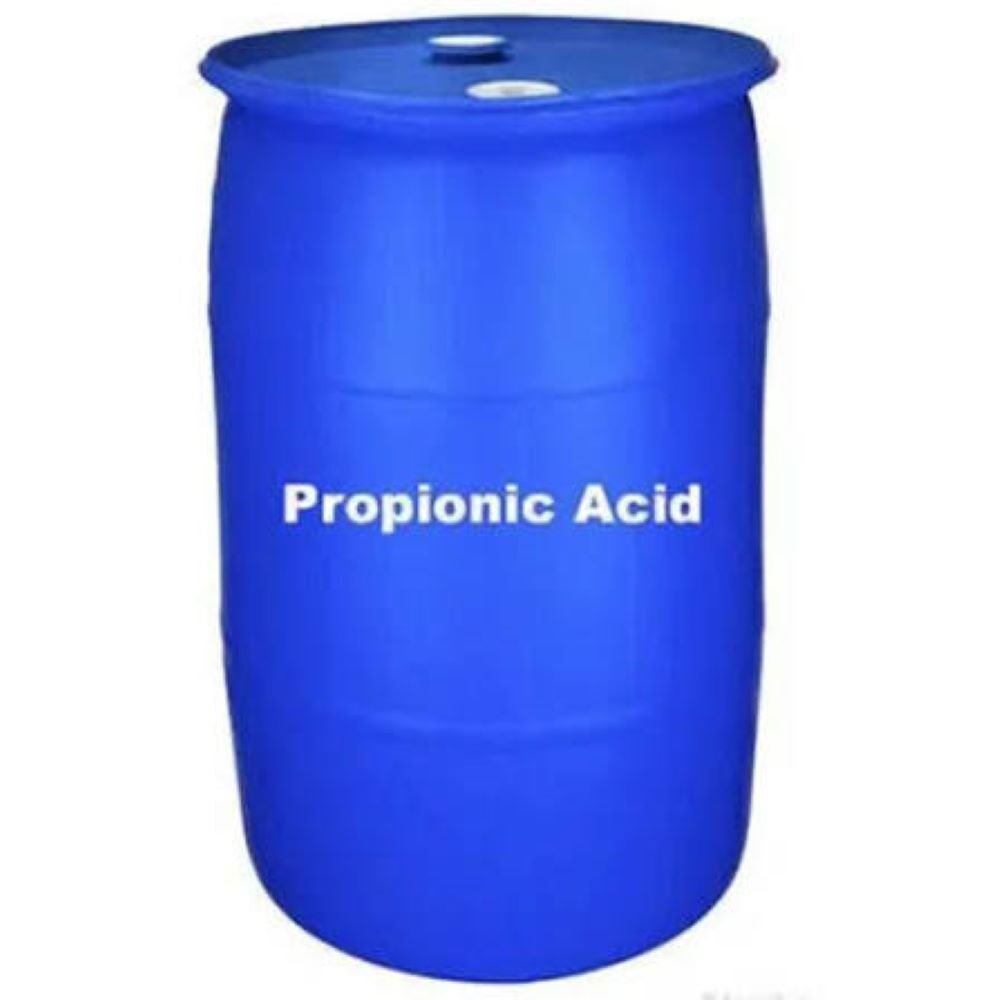
Propionic Acid (79-09-4)
Price 220 INR / Kilograms
Minimum Order Quantity : 25 Kilograms
Shape : Liquid
Application : Industrial, food, Organic Synthesis, Plastic, Pharmaceutical
HS Code : 29155000
Purity : 99.5% Min.
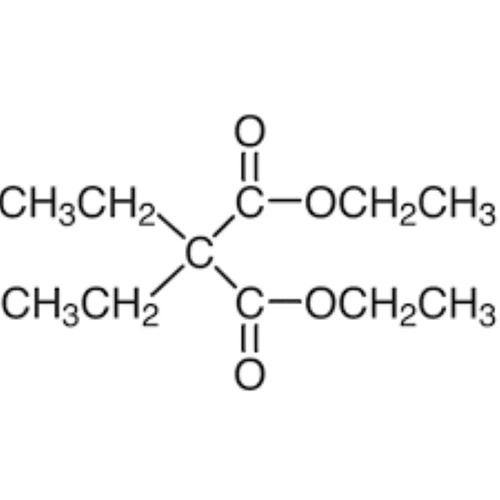
Diethyl Diethyl Malonate
Price 200.0 INR / Kilograms
Minimum Order Quantity : 25 Kilograms
Shape : Liquid form
Application : Organic Synthesis
HS Code : 2917.19.00
Purity : 99%
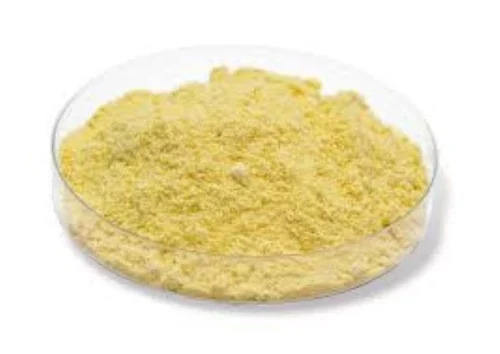
CAS7704-34-9 Sulfur Powder
Price 20 INR / Kilograms
Minimum Order Quantity : 25 Kilograms
Shape : Other, Powder or granules
Application : Other
HS Code : 25030010
Purity : 99%

 Send Inquiry
Our Products
- Industrial Chemicals
- Pharma Intermediate
- Chemical Intermediates
- Chemical Compounds
- Amino Acid
- Chemical Reagent
- Industrial Solvent
- Organic Chemical
- Precious Metal And ITS Salts Chemical
- API Intermediate
- Dye Intermediate
- Organic Compound
- Inorganic Salt
- Organic Salt
- Phase Transfer Catalyst
- Aromatic Hydrocarbon Solvent
- Aldehydes Chemical
- Api Impurities
- Thiocyanate Derivates
- Alcohol Solvents
- Laboratory Chemical
- Cosmetic Actives
- Industrial Dyes
- Bromobutyric Acid
- Biolgical Buffer
- Cosmetic Chemicals


3rd Floor, Office No. T-6, Satyam Plaza, Complex, New India colony, Nikol, Ahmedabad - 382350, Gujarat, India

Mr Mehul Kanani
(Proprietor)
Mobile :08071791128
 Send Inquiry
 Send SMS
Developed and Managed by Infocom Network Private Limited.


 English
 Spanish
 French
 German
 Italian
 Chinese (Simplified)
 Japanese
 Korean
 Arabic
 Portuguese