Call us now :08071791128
 Send Inquiry
 Send Inquiry
Tetrabutylammonium hexafluorophosphate (TBAPF6)
Price 11000.0 INR/ Kilograms
MOQ : 25 Kilograms
Tetrabutylammonium hexafluorophosphate (TBAPF6) Specification
- Molecular Formula
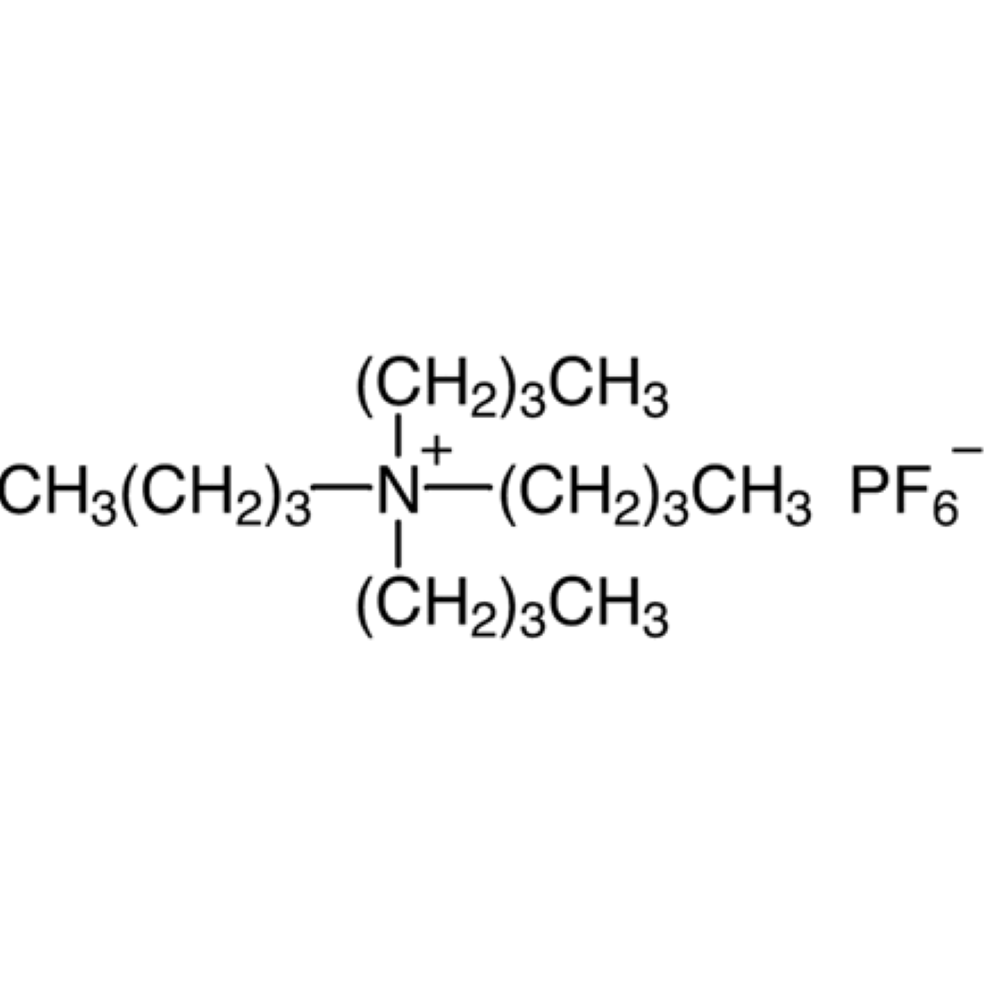
- \(C_{16}H_{36}F_6NP\)
- Structural Formula
- \([N(C_4H_9)_4]^+ [PF_6]^-\)
- Smell
- Other
- Form
- Other
- Boiling point
- 242 C to 246 C
- Solubility
- Soluble in polar organic solvents (\(0.1\text{ g/mL}\) in acetonitrile, highly soluble in acetone, dichloromethane, and DMF). Insoluble in water.
- Purity
- \(\ge \) 98.0% (Up to 99.0% Electronic Grade)
- Poisonous
- No
- Refractive Rate
- Not applicable (Solid form)
- Other Names
- TBAPF , TBAHP, Tetra-n-butylammonium hexafluorophosphate, N,N,N-Tributyl-1-butanaminium hexafluorophosphate
- HS Code
- 2931.00.99
- Molecular Weight
- 387.43 g/mol Grams (g)
- Ph Level
- Neutral
- Storage
- Keep away from moisture
- Density
- Not established Gram per cubic centimeter(g/cm3)
- Melting Point
- 244 C to 246 C (lit.)
- Taste
- Other
- Classification
- Organic Chemicals
- Chemical Name
- Tetrabutylammonium hexafluorophosphate
- CAS No
- 3109-63-5
- EINECS No
- 221-472-6
- Grade
- Electron Grade
- Standard
- Enterprise / Manufacturer Standard (Compliant with ISO 9001 protocols)
- Type
- High-purity Electrochemistry Reagent
- Usage
- Laboratory research reagent, chemical intermediate, and electrochemical process buffer.
- Main Material
- Tributylamine and Hexafluorophosphoric acid derivatives.
- Application
- Organic Synthesis, Explosive
Tetrabutylammonium hexafluorophosphate (TBAPF6) Trade Information
- Minimum Order Quantity
- 25 Kilograms
- Payment Terms
- Cash in Advance (CID)
- Supply Ability
- 500 Kilograms Per Month
- Delivery Time
- 1 Week
- Sample Available
- No
- Sample Policy
- Contact us for information regarding our sample policy
- Packaging Details
- 5g, 25g, 100g, 500g in amber glass bottles or aluminum foil bags, packed within outer fiber drums with desiccant packs.
- Main Domestic Market
- All India
- Certifications
- COA,MSDS
Tetrabutylammonium hexafluorophosphate (TBAPF6) About
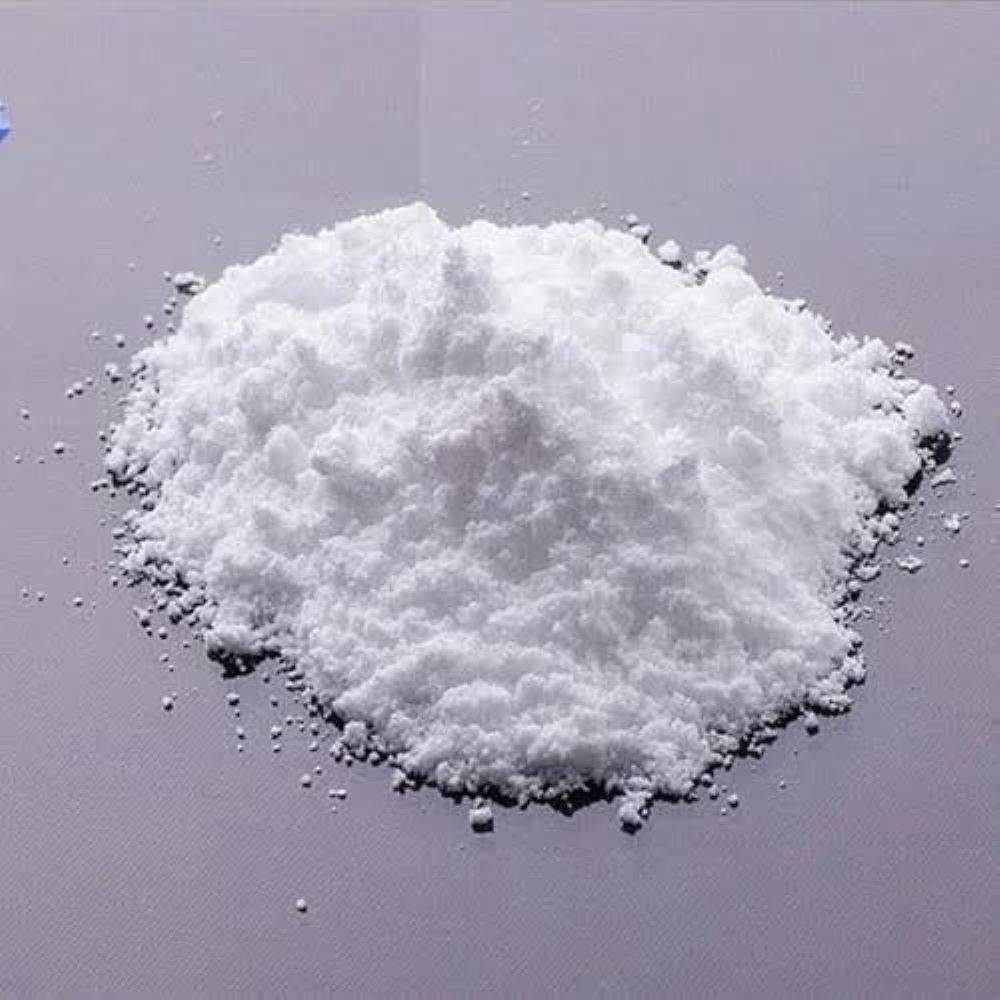
Tetrabutylammonium hexafluorophosphate TBAPF is a white crystalline quaternary ammonium salt widely utilized as a supporting electrolyte in nonaqueous electrochemistry It consists of a bulky nonpolar tetrabutylammonium cation NC_4H_9_4 paired with a weakly coordinating inert hexafluorophosphate anion PF This specific composition allows the salt to dissolve easily in organic solvents and provide structural stability without interfering with target electrochemical reactions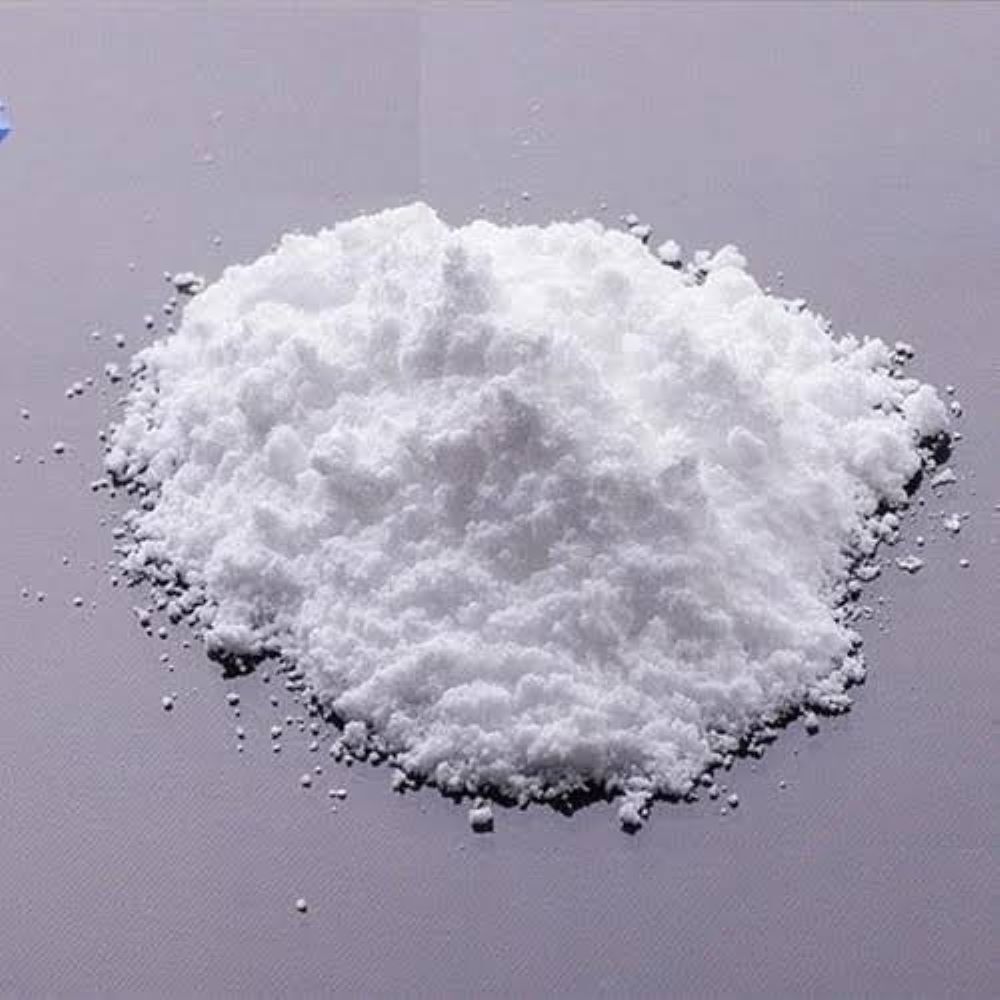
Tell us about your requirement

Price:
Quantity
Select Unit
- 50
- 100
- 200
- 250
- 500
- 1000+
Additional detail
Mobile number
Email

More Products in Industrial Chemicals Category
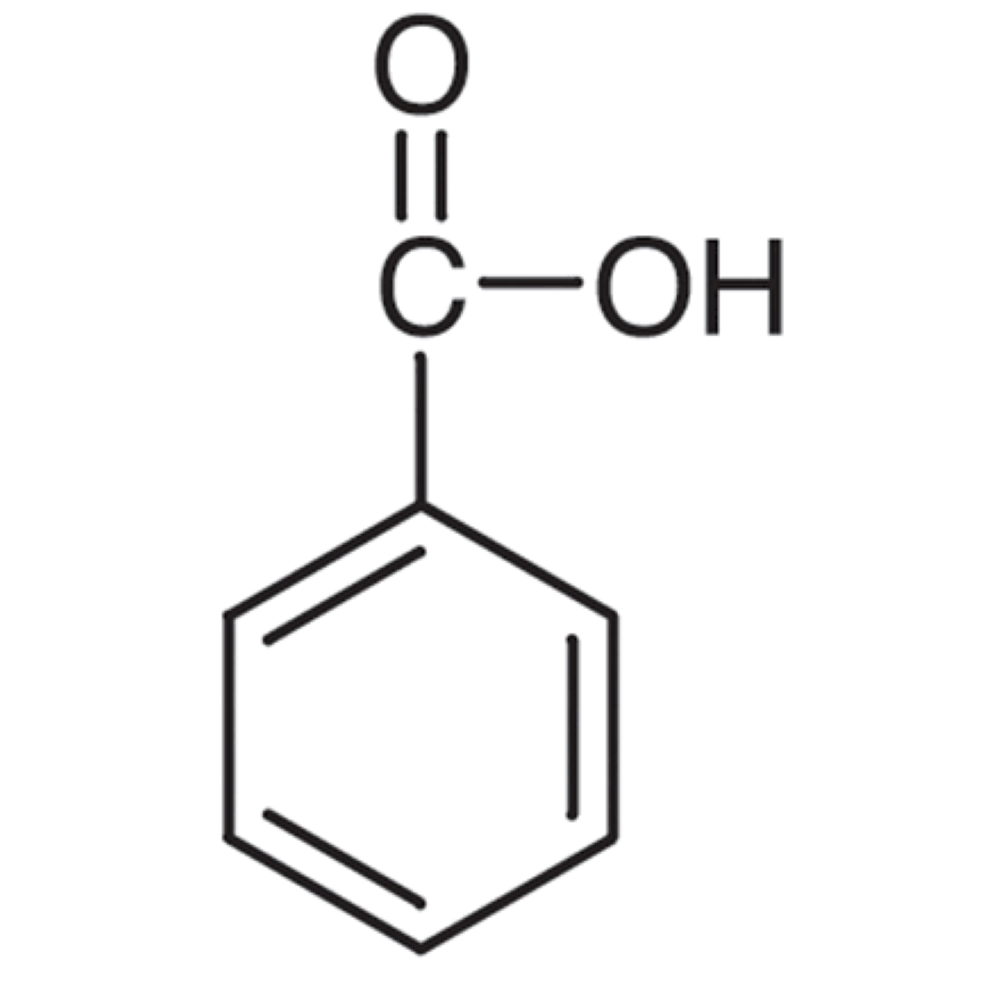
Benzoic Acid (65-85-0)
Price 210 INR / Kilograms
Minimum Order Quantity : 25 Kilograms
Form : Powder
Smell : Other
CAS No : 65850
Grade : Other
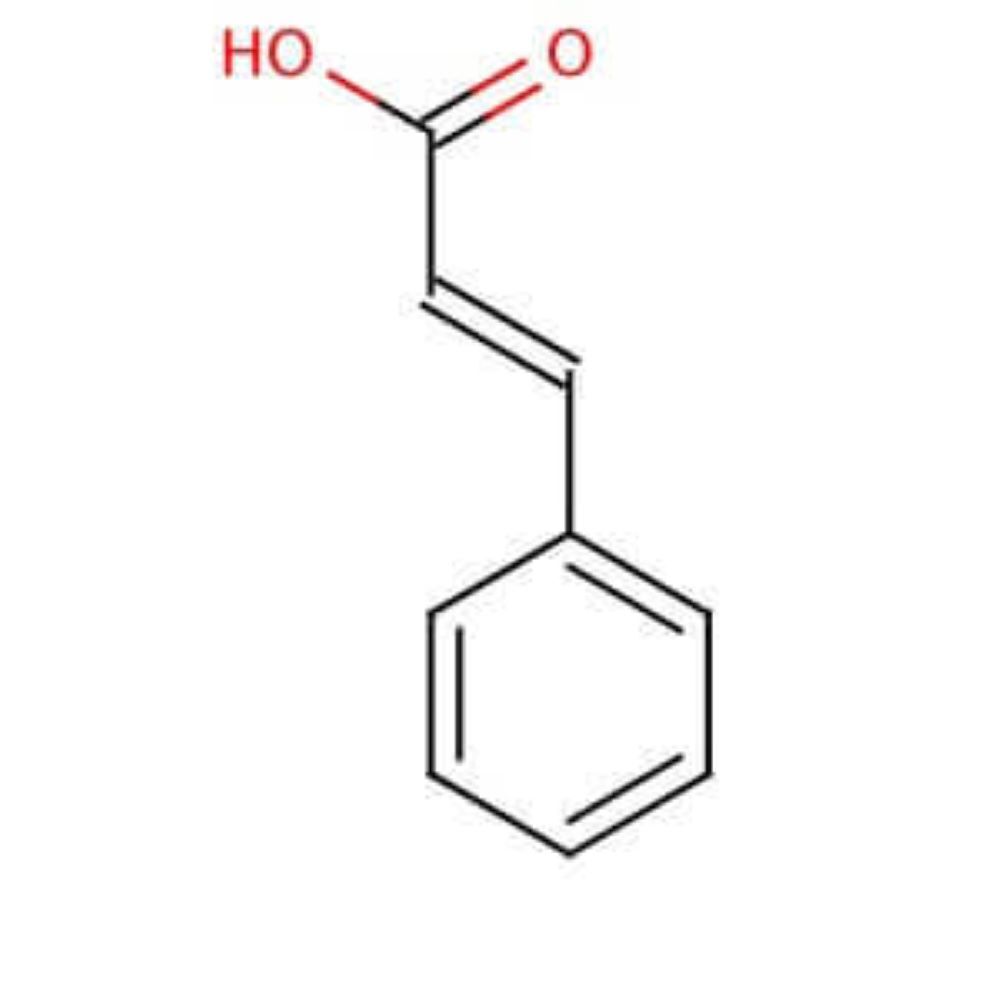
Cinnamic Acid
Price 500 INR / Kilograms
Minimum Order Quantity : 25 Kilograms
Form : Powder
Smell : Sweet
CAS No : 140103
Grade : Other
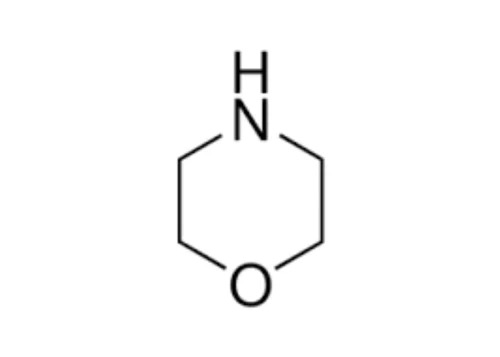
Morpholine BASF 110-91-8
Price 110.0 INR / Kilograms
Minimum Order Quantity : 25 Kilograms
Form : Liquid
Smell : Other
CAS No : 110918
Grade : Industrial Grade
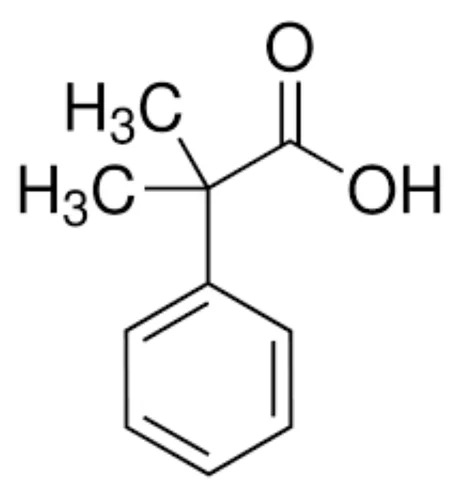
2 Methyl 2 Phenylpropionic Acid
Price 450.0 INR / Kilograms
Minimum Order Quantity : 25 Kilograms
Form : Other
Smell : Other
CAS No : 826551
Grade : Industrial Grade

 Send Inquiry
Our Products
- Industrial Chemicals
- Pharma Intermediate
- Chemical Intermediates
- Chemical Compounds
- Amino Acid
- Chemical Reagent
- Industrial Solvent
- Organic Chemical
- Precious Metal And ITS Salts Chemical
- API Intermediate
- Dye Intermediate
- Organic Compound
- Inorganic Salt
- Organic Salt
- Phase Transfer Catalyst
- Aromatic Hydrocarbon Solvent
- Aldehydes Chemical
- Api Impurities
- Thiocyanate Derivates
- Alcohol Solvents
- Laboratory Chemical
- Cosmetic Actives
- Industrial Dyes
- Bromobutyric Acid
- Biolgical Buffer
- Cosmetic Chemicals


3rd Floor, Office No. T-6, Satyam Plaza, Complex, New India colony, Nikol, Ahmedabad - 382350, Gujarat, India

Mr Mehul Kanani
(Proprietor)
Mobile :08071791128
 Send Inquiry
 Send SMS
 Call Me Free
Developed and Managed by Infocom Network Private Limited.


 English
 Spanish
 French
 German
 Italian
 Chinese (Simplified)
 Japanese
 Korean
 Arabic
 Portuguese