Call us now :08071791128
 Send Inquiry
 Send Inquiry
Succinic Acid (110-15-6)
Price 210 INR/ Kilograms
MOQ : 25 Kilograms
Succinic Acid (110-15-6) Specification
- Taste
- Sour
- Refractive Rate
- Not applicable (solid)
- Poisonous
- Yes
- Melting Point
- 185-187C
- Ph Level
- pH (1% solution): 2.5-2.9
- Molecular Weight
- 118.09 g/mol
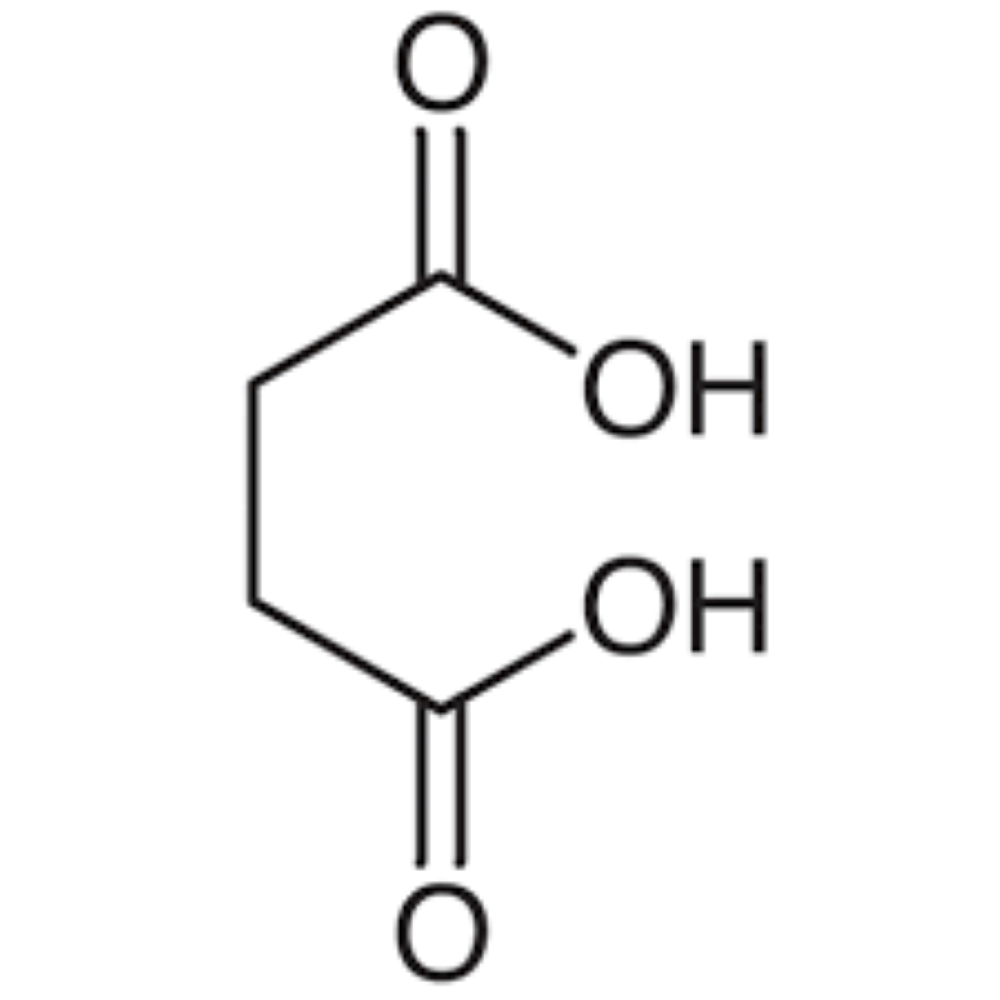
- Structural Formula
- HOOC-(CH2)2-COOH
- Molecular Formula
- C4H6O4
- Purity
- 99% min
- Storage
- Store in a cool, dry, and well-ventilated area; keep container tightly closed
- Form
- Solid
- Other Names
- Amber acid; Butanedioic acid
- Boiling point
- 235C (decomposes)
- Shape
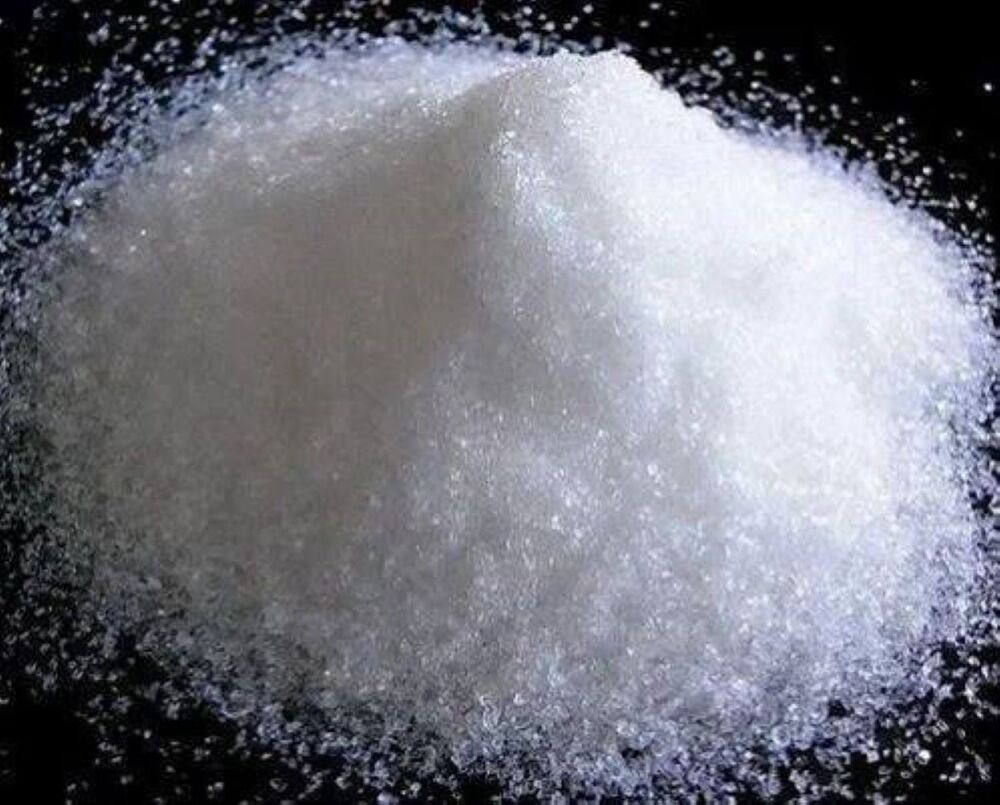
- Crystalline Powder
- HS Code
- 29171980
- Density
- 1.56 Gram per cubic centimeter(g/cm3)
- Smell
- Odorless
- Solubility
- Freely soluble in water, slightly soluble in ethanol, insoluble in chloroform and ether
- Classification
- Dicarboxylic Acid
- Chemical Name
- Succinic Acid
- CAS No
- 110-15-6
- EINECS No
- 203-740-4
- Grade
- Industrial Grade, Food Grade, Pharmaceutical Grade
- Standard
- Meets USP/BP/FCC standards
- Type
- Organic Acid
- Usage
- Industrial, Food, Pharma, Laboratory
- Main Material
- Succinic Acid
- Application
- Used in pharmaceuticals, food additives, surfactants, detergents, and as a chemical intermediate
- Non Toxic
- Yes
- Appearance
- White crystalline solid
- Pack Size
- 25kg bags/drums or as required
- Flash Point
- 206C
- Decomposition Temperature
- 235C
- Vapor Pressure
- Negligible at room temperature
- Shelf Life
- 2 years in original packaging
- Incompatibilities
- Strong oxidizers
- Stability
- Stable under normal conditions
Succinic Acid (110-15-6) Trade Information
- Minimum Order Quantity
- 25 Kilograms
- Payment Terms
- Cash on Delivery (COD)
- Supply Ability
- 500 Kilograms Per Month
- Delivery Time
- 1 Week
- Sample Available
- Yes
- Sample Policy
- Contact us for information regarding our sample policy
- Packaging Details
- 25 kg woven bags, kraft paper bags, or 500 kg / 1000 kg jumbo/FIBC bags with inner plastic liners.
- Main Domestic Market
- All India
- Certifications
- coa,msds
Succinic Acid (110-15-6) About
Succinic acid is a fourcarbon dicarboxylic acid with the molecular formula CHO and structural formula HOOCCHCHCOOH
Below is an exhaustive description of its physical characteristics chemical nature biological role history and production methods
Visual Form It naturally presents as a colorless crystal shiny monoclinic prism or an odorless white crystalline powder resembling table sugar
Odor It is completely odorless
Taste It possesses a highly acidic sour taste with a slightly bitter salty undertone This unique profile limits its use in certain beverages like wine but makes it a desirable flavor modifier in other food categories
A Versatile Organic Acid
Succinic Acid stands out for its broad range of applications. From use as a food additive and an intermediate in pharmaceuticals to its crucial role in surfactants and detergents manufacturing, this compound is valued for its safety, stability, and high purity. Its compliance with USP/BP/FCC standards ensures it is fit for multiple settings, including industrial processing and laboratory experiments.
Optimal Storage and Handling
Succinic Acid should be stored in a cool, dry, and well-ventilated area. Keep the container tightly closed to avoid moisture uptake. While it is non-toxic and stable under standard conditions, contact with strong oxidizers should be avoided to maintain product quality and ensure safety throughout its two-year shelf life.
FAQ's of Succinic Acid (110-15-6):
Q: How should Succinic Acid be stored to ensure maximum shelf life?
A: Succinic Acid should be stored in its original packaging, in a cool, dry, and well-ventilated area with the container tightly closed. Proper storage under these conditions will help the product retain its stability and effectiveness for the full two-year shelf life.Q: What are the main applications of Succinic Acid in industry and laboratories?
A: Succinic Acid is utilized in pharmaceuticals, food additives, surfactants, detergents, and as a chemical intermediate. Its versatility and high purity make it suitable for industrial processes, various food formulations, and laboratory research.Q: When can Succinic Acid be considered non-toxic and safe to handle?
A: Succinic Acid is regarded as non-toxic and safe when handled under standard laboratory or industrial practices. However, standard safety protocols should always be followed, and prolonged contact with strong oxidizers should be avoided.Q: Where is Succinic Acid commonly exported and supplied from?
A: Succinic Acid is commonly exported, supplied, and traded by manufacturers in India, catering to both domestic and international markets. It is distributed in 25kg bags or drums to meet industrial and laboratory requirements.Q: What is the process for dissolving Succinic Acid in solvents?
A: Succinic Acid is freely soluble in water, slightly soluble in ethanol, and insoluble in solvents such as chloroform and ether. To dissolve, simply add the required amount to water and stir until fully dissolved.Q: How can Succinic Acid benefit food and pharmaceutical manufacturing?
A: In food manufacturing, Succinic Acid serves as a souring agent and additive, enhancing flavor profiles. In pharmaceuticals, it acts as an intermediate for the synthesis of various active compounds, benefiting product formulation and quality.Q: What precautions should be taken when handling Succinic Acid?
A: While Succinic Acid is stable and non-toxic under standard conditions, it should be kept away from strong oxidizing agents. Proper protective equipment, such as gloves and safety goggles, is recommended during handling.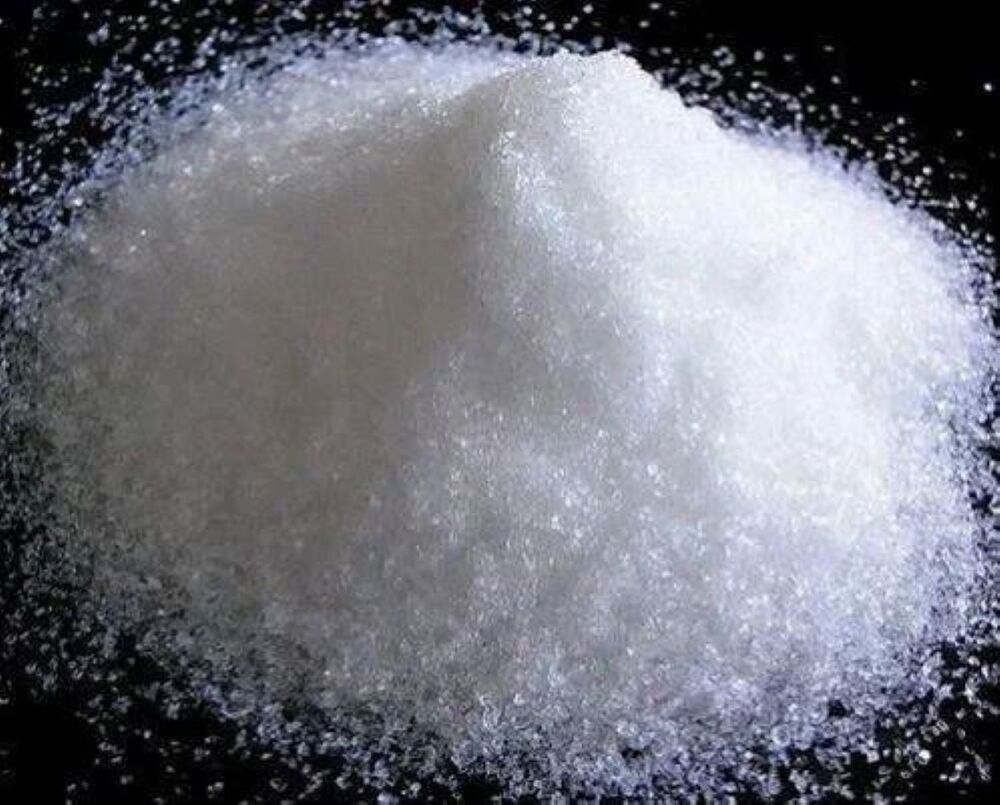
Tell us about your requirement

Price:
Quantity
Select Unit
- 50
- 100
- 200
- 250
- 500
- 1000+
Additional detail
Mobile number
Email

More Products in Industrial Chemicals Category
4 Chloro Acetophenone
Price 1800.0 INR / Kilograms
Minimum Order Quantity : 25 Kilograms
CAS No : 99912
Taste : Other
Application : medicine, Industrial, Organic Synthesis, Pharmaceutical
Classification : Other
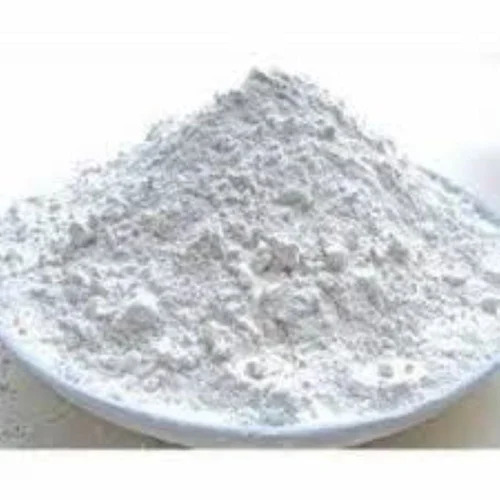
Para Tertiary Butylphenol
Price 400.0 INR / Kilograms
Minimum Order Quantity : 25 Kilograms
CAS No : 98544
Taste : Other
Application : Other
Classification : Other
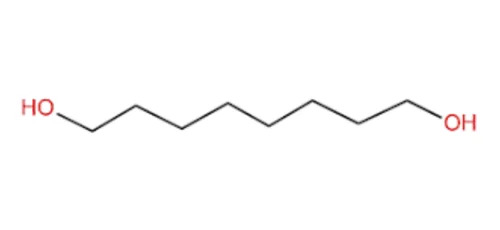
1,8 Octane Diol (629-41-4)
Price 7500.0 INR / Kilograms
Minimum Order Quantity : 25 Kilograms
CAS No : 629414
Taste : Other
Application : Other
Classification : Other
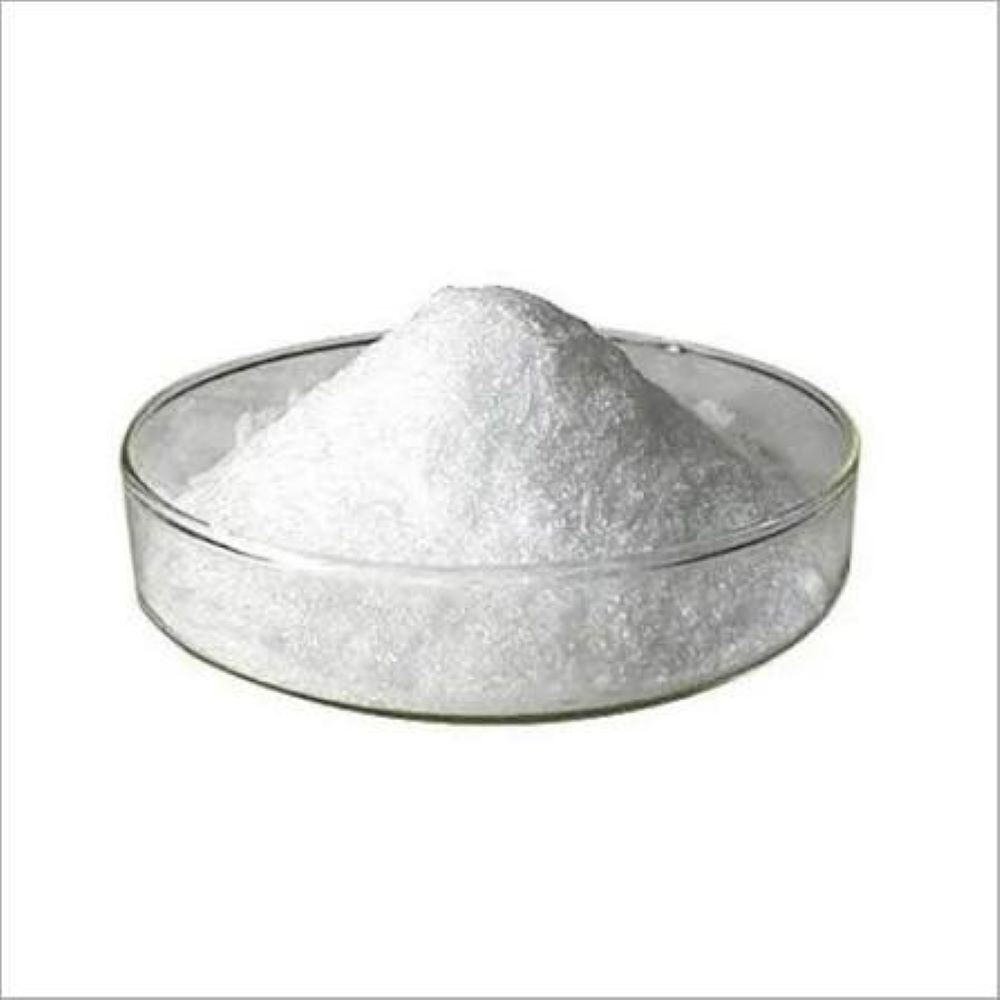
Potassium Bromate
Price 400.0 INR / Kilograms
Minimum Order Quantity : 25 Kilograms
CAS No : 7758012.
Taste : Other , Odorless, slightly saline
Application : Industrial, Organic Synthesis, Pharmaceutical, Other
Classification : Inorganic Chemicals

 Send Inquiry
Our Products
- Industrial Chemicals
- Pharma Intermediate
- Chemical Intermediates
- Chemical Compounds
- Amino Acid
- Chemical Reagent
- Industrial Solvent
- Organic Chemical
- Precious Metal And ITS Salts Chemical
- API Intermediate
- Dye Intermediate
- Organic Compound
- Inorganic Salt
- Organic Salt
- Phase Transfer Catalyst
- Aromatic Hydrocarbon Solvent
- Aldehydes Chemical
- Api Impurities
- Thiocyanate Derivates
- Alcohol Solvents
- Laboratory Chemical
- Cosmetic Actives
- Industrial Dyes
- Bromobutyric Acid
- Biolgical Buffer
- Cosmetic Chemicals


3rd Floor, Office No. T-6, Satyam Plaza, Complex, New India colony, Nikol, Ahmedabad - 382350, Gujarat, India

Mr Mehul Kanani
(Proprietor)
Mobile :08071791128
 Send Inquiry
 Send SMS
Developed and Managed by Infocom Network Private Limited.


 English
 Spanish
 French
 German
 Italian
 Chinese (Simplified)
 Japanese
 Korean
 Arabic
 Portuguese