Call us now :08071791128
 Send Inquiry
 Send Inquiry
Cinnamic Acid
Price 500 INR/ Kilograms
MOQ : 25 Kilograms
Cinnamic Acid Specification
- Form
- Powder
- Ph Level
- 3.0 4.0
- Other Names
- (2E)-3-Phenylprop-2-enoic acid, 3-Phenylacrylic acid, trans-3-Phenylacrylic acid, Benzeneacrylic acid
- Refractive Rate
- 1.555
- Solubility
- Sparingly soluble in cold water (0.4 g/L at 20C); highly soluble in hot water, alcohol, ether, and organic solvents.
- Purity
- 99.0%
- Density
- 1.25 g/cm at 4C Gram per cubic centimeter(g/cm3)
- Melting Point
- 132 C to 135 C
- Structural Formula
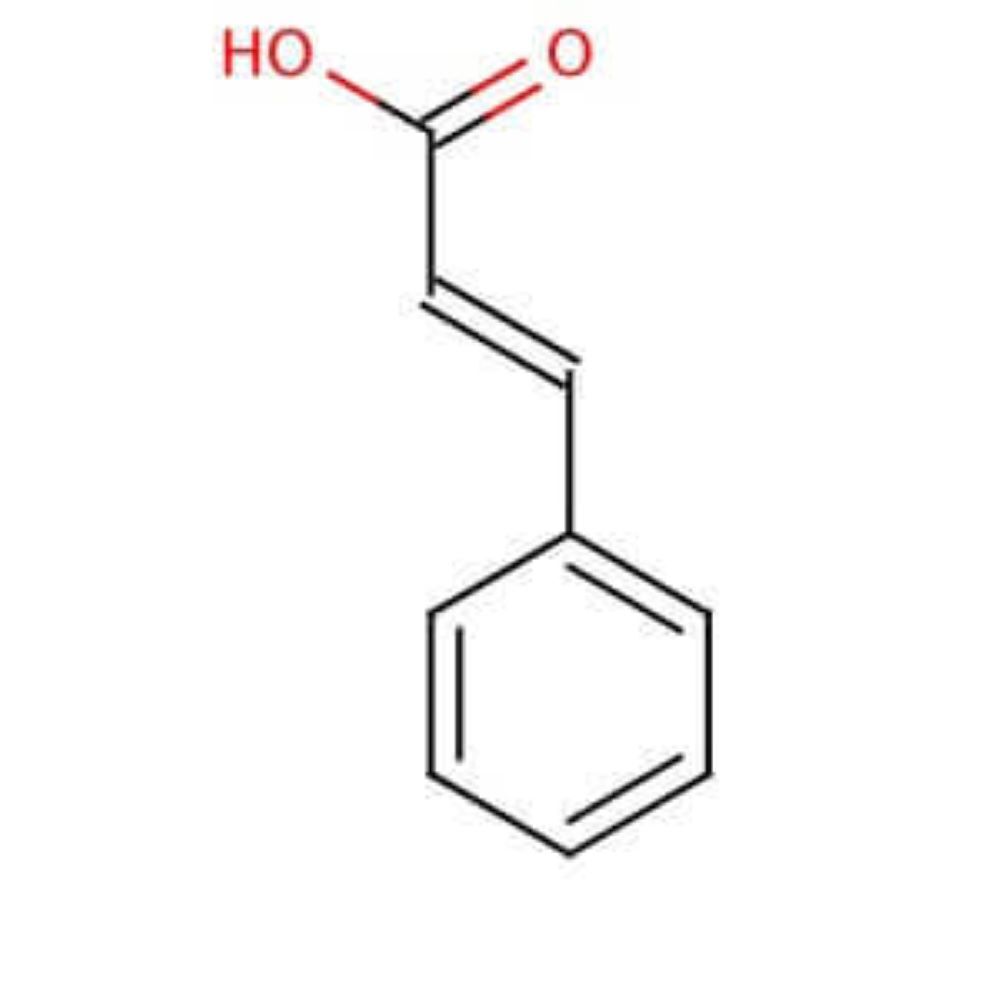
- CHCH=CHCOOH
- Boiling point
- 300 C
- Molecular Weight
- 148.16 g/mol Grams (g)
- Taste
- Sweet
- Smell
- Sweet
- HS Code
- 29163910
- Storage
- Room Temperature
- Molecular Formula
- CHO
- Classification
- Organic Chemicals
- Chemical Name
- trans-Cinnamic Acid
- CAS No
- 140-10-3
- EINECS No
- 205-398-1
- Grade
- Other
- Standard
- Enterprise Standard / USP / BP Complying
- Type
- Synthetic / Intermediate
- Usage
- Food: Active precursor for the commercial production of aspartame sweetener.Industrial: Used as a photo-resistant polymer additive and UV-absorber intermediate.Organic Synthesis: Broadly used for synthesizing cinnamate esters, indigo dyes, and laboratory reagents.Pharmaceutical: Foundational block for drug intermediates and APIs.Soaps & Detergents: Formulated directly as a fixative or compound modifier in fine fragrances and industrial surfactants.Toothpastes: Used as a flavoring agent additive.
- Main Material
- Used as a key precursor/building block for flavor, fragrance, and pharmaceutical chemical synthesis
- Application
- Industrial, food, Toothpastes, Textile Industry, medicine, Organic Synthesis, Plastic, Pharmaceutical, Paints, Printing Industry
Cinnamic Acid Trade Information
- Minimum Order Quantity
- 25 Kilograms
- Supply Ability
- 500 Kilograms Per Month
- Delivery Time
- 1 Week
- Sample Available
- Yes
- Sample Policy
- Contact us for information regarding our sample policy
- Packaging Details
- Packed in 25 kg fiber drums or paper bags with inner LDPE liners
- Main Domestic Market
- All India
- Certifications
- coa,msds
Cinnamic Acid About
Cinnamic acid is an organic compound with the molecular formula CHO or CHCH=CHCOOH. Structurally, it consists of a phenyl ring attached to an unsaturated carboxylic acid chain (an acrylic acid group). It exists as two geometric isomers, but the commercially and naturally dominant form is the trans-isomer (E-isomer).
Versatile Industrial Applications
Cinnamic Acid is integral across many industries, including food, pharmaceuticals, textiles, and plastics. It enhances taste and fragrance in toothpastes and soaps, while its role in organic synthesis makes it invaluable for manufacturing dyes, intermediates, and additives. Its ability to serve as a UV-blocker and photo-resistant polymer makes it an important ingredient in paints and printing inks as well.
Key Chemical and Physical Properties
This compound, with CAS No. 140-10-3, presents as a powder and has a density of 1.25 g/cm3 at 4C. The melting point ranges from 132C to 135C, and it boils at 300C. Cinnamic Acid is sparingly soluble in cold water (0.4 g/L at 20C), but dissolves readily in hot water, alcohol, and ether-making it practical for diverse manufacturing processes.
FAQ's of Cinnamic Acid:
Q: How is Cinnamic Acid typically used in the industrial and food sectors?
A: Cinnamic Acid acts as a precursor in the production of the aspartame sweetener in the food industry and serves in industrial applications as a photo-resistant polymer additive, UV-absorber, and for synthesizing various dyes and laboratory reagents.Q: What benefits does Cinnamic Acid offer in pharmaceutical manufacturing?
A: In pharmaceuticals, Cinnamic Acid is a foundational block for synthesizing drug intermediates and active pharmaceutical ingredients (APIs), contributing to the development and improvement of a wide range of medicinal compounds.Q: When should Cinnamic Acid be added during product formulation processes?
A: Cinnamic Acid is typically incorporated during the initial or intermediate stages of product formulation to function as a precursor or intermediate, particularly in chemical synthesis, food sweetener production, and polymer creation.Q: Where is this compound commonly stocked or stored?
A: Cinnamic Acid should be stored at room temperature, in tightly sealed containers, within environments compliant with safety and quality standards, such as chemical warehouses or production facilities.Q: What is the process involved in the organic synthesis using Cinnamic Acid?
A: Cinnamic Acid is employed as a building block in organic synthesis for producing cinnamate esters, indigo dyes, and complex laboratory reagents-often involving heating with solvents or reactants under controlled conditions.Q: How does its pH and solubility influence usage in product formulations?
A: With a pH ranging from 3.0 to 4.0, and its sparing solubility in cold water but greater solubility in organic solvents, Cinnamic Acid is suited for formulations where acid stability and compatibility with organic phases are essential.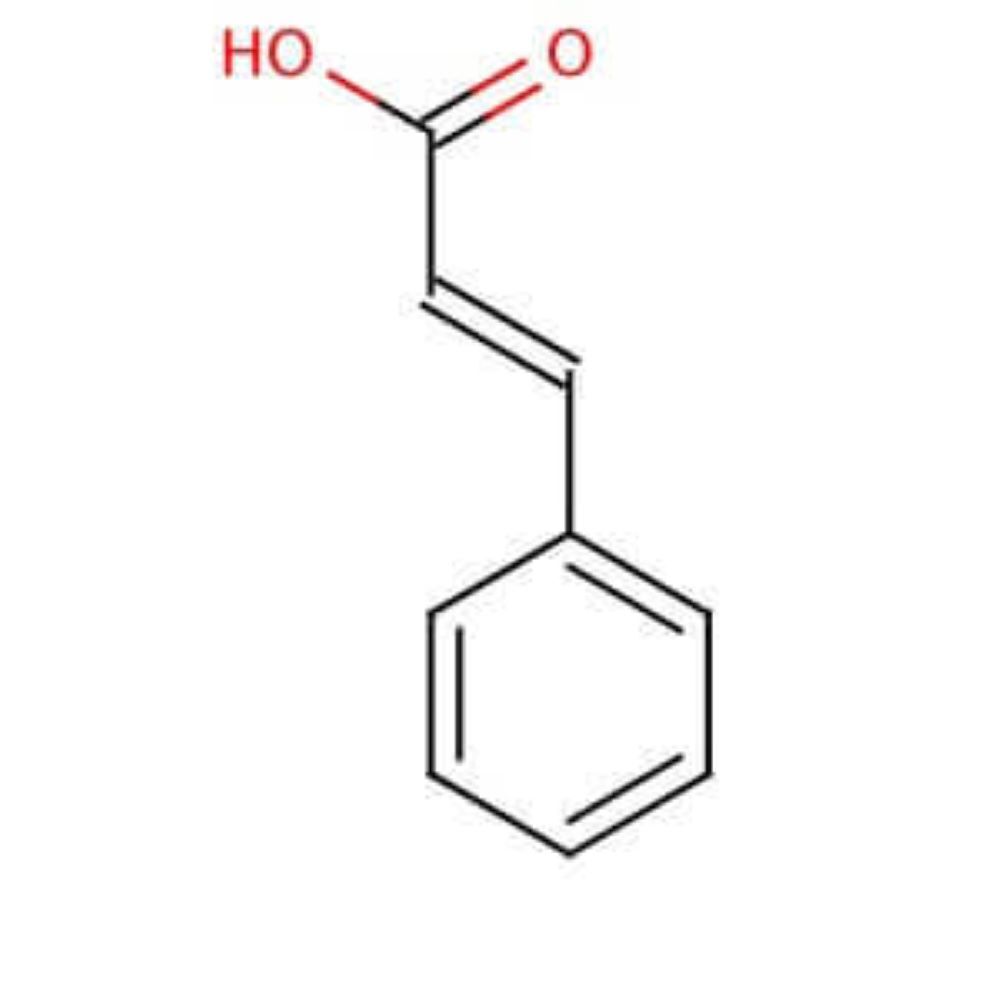
Tell us about your requirement

Price:
Quantity
Select Unit
- 50
- 100
- 200
- 250
- 500
- 1000+
Additional detail
Mobile number
Email

More Products in Industrial Chemicals Category
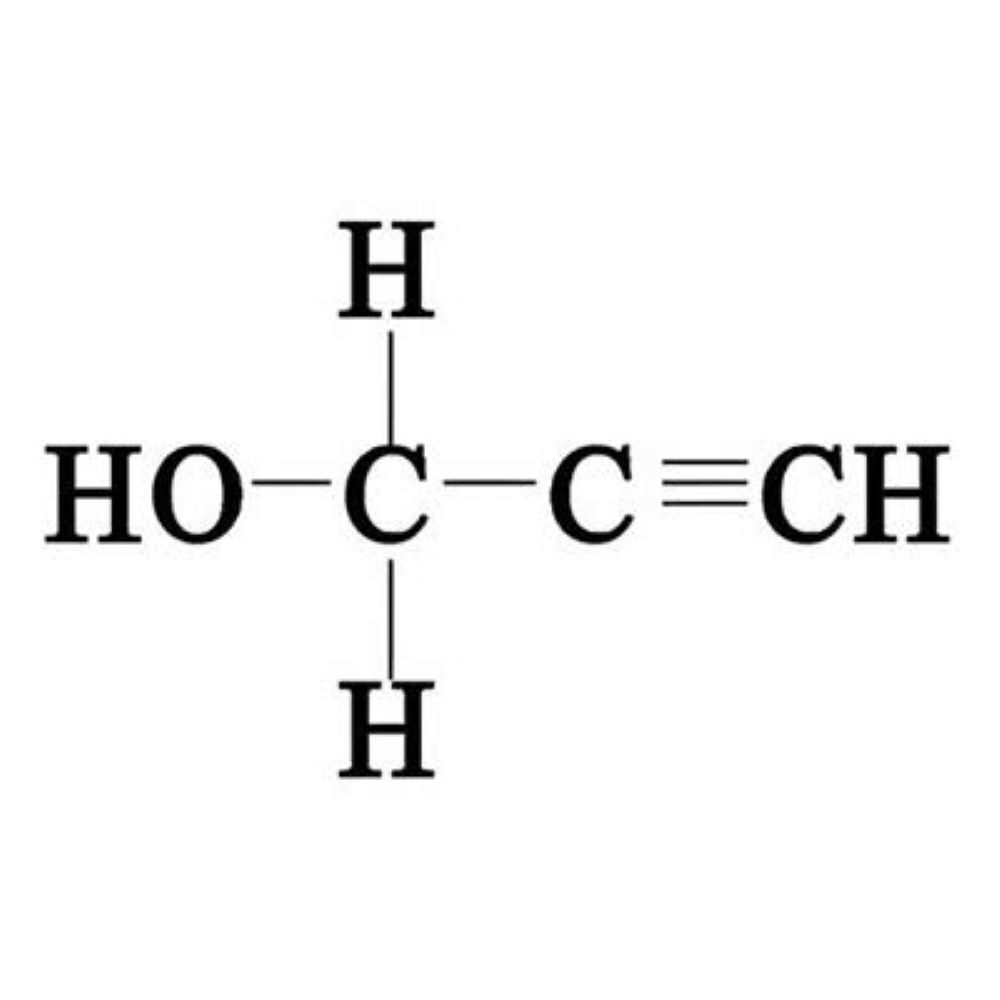
Propargyl Alcohol (107-19-7)
Price 790.00 INR / Kilograms
Minimum Order Quantity : 25 Kilograms
Grade : Industrial Grade
CAS No : 107197
Molecular Formula : C H O
Storage : Dry Place
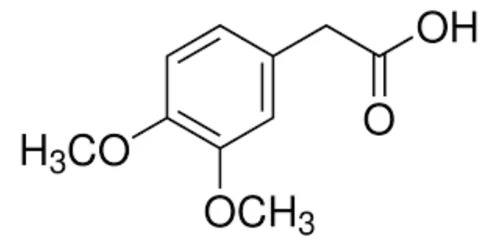
3,4 Dimethoxy Phenyl Acetic Acid
Price 1000.0 INR / Kilograms
Minimum Order Quantity : 25 Kilograms
Grade : Other
CAS No : 93403
Molecular Formula : C10H12O4
Storage : Dry Place
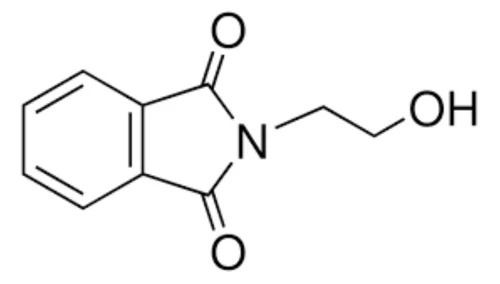
N-(2-Hydroxyethyl) Phthalimide CAS No- 3891-07-04
Price 300.0 INR / Kilograms
Minimum Order Quantity : 25 Kilograms
Grade : Industrial Grade
CAS No : 38910704
Molecular Formula : C10H9NO3
Storage : Other
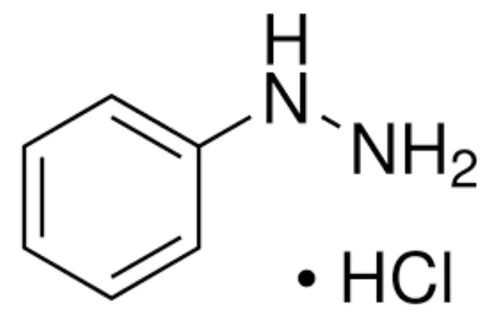
Phenyl hydrazine Hydrochloride
Price 1400.0 INR / Kilograms
Minimum Order Quantity : 25 Kilograms
Grade : Industrial Grade
CAS No : 19501587
Molecular Formula : C7H10N2OHCl
Storage : Other

 Send Inquiry
Our Products
- Industrial Chemicals
- Pharma Intermediate
- Chemical Intermediates
- Chemical Compounds
- Amino Acid
- Chemical Reagent
- Industrial Solvent
- Organic Chemical
- Precious Metal And ITS Salts Chemical
- API Intermediate
- Dye Intermediate
- Organic Compound
- Inorganic Salt
- Organic Salt
- Phase Transfer Catalyst
- Aromatic Hydrocarbon Solvent
- Aldehydes Chemical
- Api Impurities
- Thiocyanate Derivates
- Alcohol Solvents
- Laboratory Chemical
- Cosmetic Actives
- Industrial Dyes
- Bromobutyric Acid
- Biolgical Buffer
- Cosmetic Chemicals


3rd Floor, Office No. T-6, Satyam Plaza, Complex, New India colony, Nikol, Ahmedabad - 382350, Gujarat, India

Mr Mehul Kanani
(Proprietor)
Mobile :08071791128
 Send Inquiry
 Send SMS
 Call Me Free
Developed and Managed by Infocom Network Private Limited.


 English
 Spanish
 French
 German
 Italian
 Chinese (Simplified)
 Japanese
 Korean
 Arabic
 Portuguese