Call us now :08071791128
 Send Inquiry

 Send Inquiry
Ethylene Thiourea ETU
Price 600 INR/ Kilograms
MOQ : 10 Kilograms
Ethylene Thiourea ETU Specification
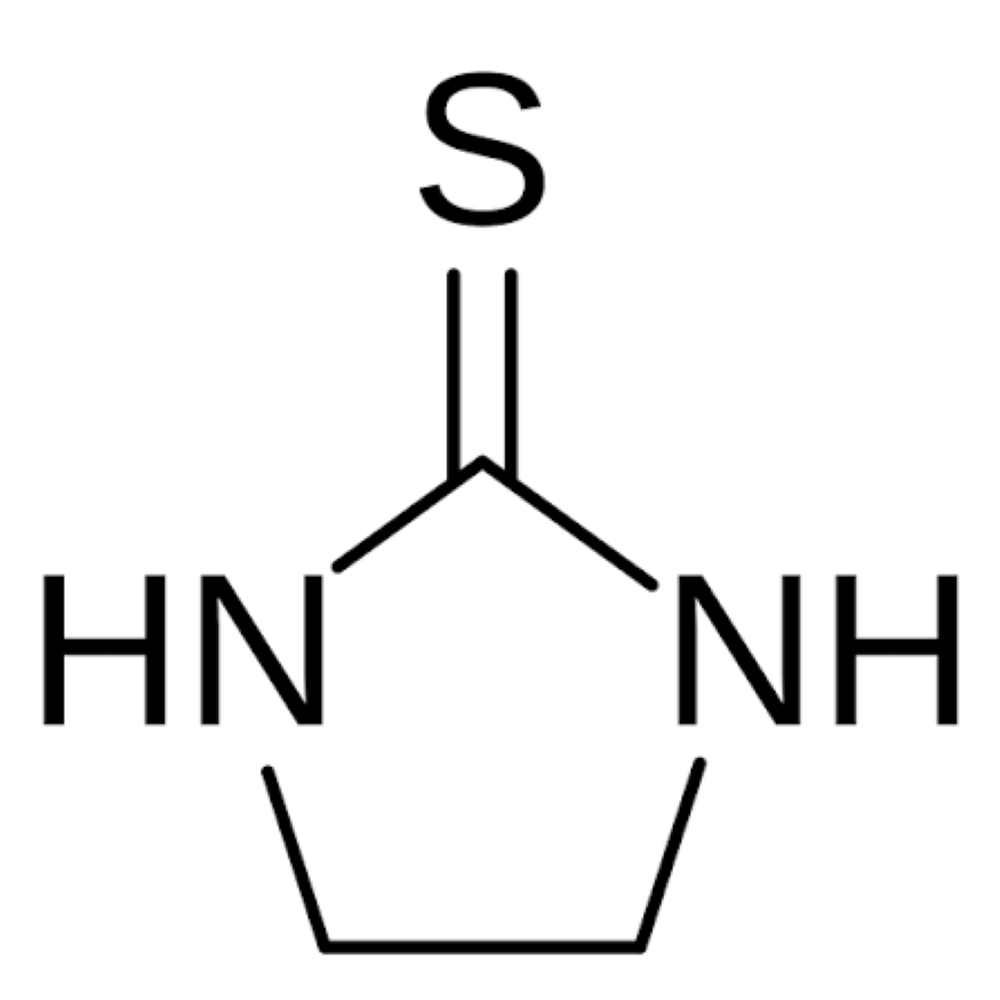
- Structural Formula
- NH2-CS-NH-(CH2)2
- Molecular Formula
- C3H6N2S
- Solubility
- Soluble in hot water, acetone, benzene. Slightly soluble in cold water.
- Boiling point
- Decomposes before boiling
- Poisonous
- Yes
- Smell
- Odorless or slight characteristic odor
- HS Code
- 293090
- Form
- Solid
- Melting Point
- 181-184C
- Density
- 1.32 Gram per cubic centimeter(g/cm3)
- Storage
- Store in cool, dry place, away from sunlight and moisture
- Other Names
- ETU, 1,3-Ethyleneurea, 2-Imidazolidinethione
- Purity
- 99%
- Shape
- Powder
- Molecular Weight
- 102.16 g/mol
- Classification
- Organic Chemical
- Chemical Name
- Ethylene Thiourea
- CAS No
- 96-45-7
- EINECS No
- 203-694-1
- Grade
- Industrial Grade
- Standard
- Industry Standard
- Type
- Vulcanizing Accelerator
- Usage
- Rubber processing and curing
- Main Material
- Ethylene Thiourea (ETU)
- Application
- Vulcanization accelerator for rubber industry, especially for neoprene, natural rubber, and synthetic rubber.
- Non Toxic
- Yes
- Hazard Statement
- Harmful if swallowed or inhaled; suspected of causing cancer
- Transport
- Should be transported according to hazardous goods regulations
- Packaging
- 25kg bag or drum
- Moisture Content
- <0.5%
- Appearance
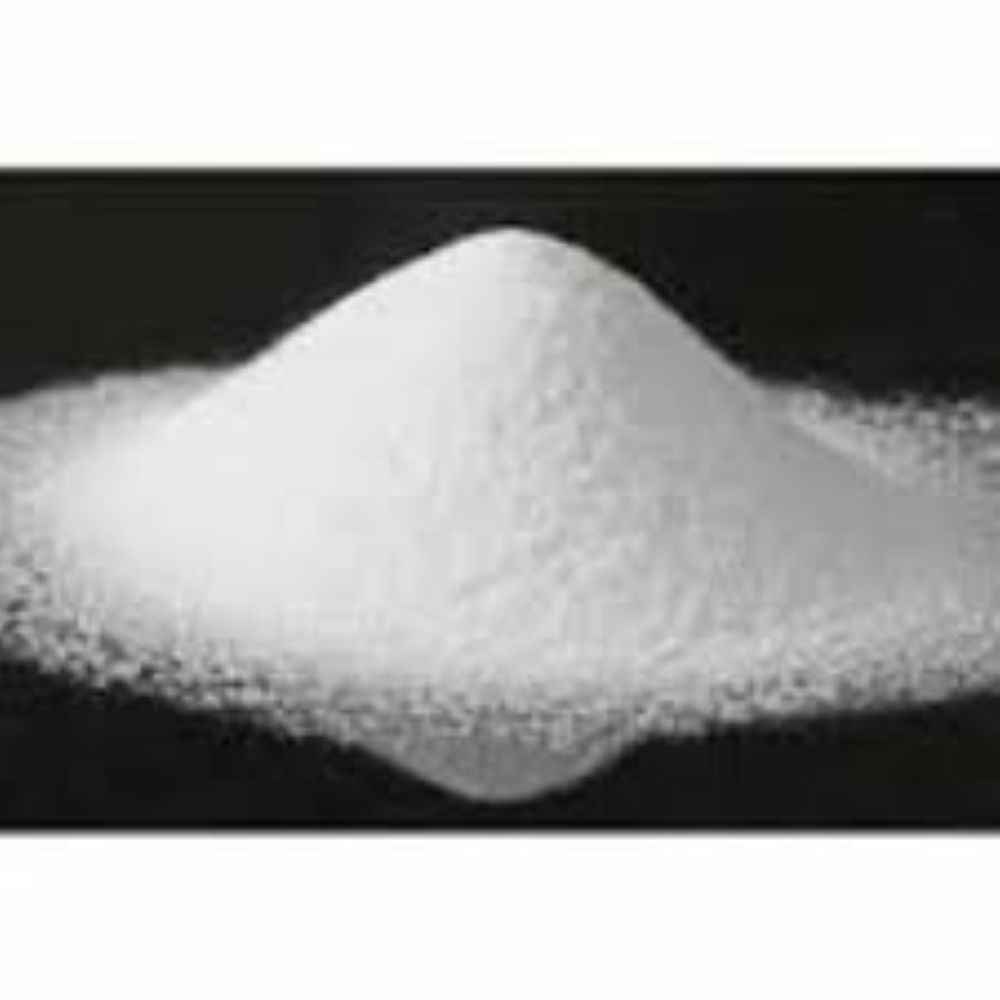
- White crystalline powder
- Environmental Impact
- Potential water pollutant
- Flash Point
- Non-flammable
- Shelf Life
- 2 years
- Compatibility
- Compatible with a wide range of rubber compounds
- Stability
- Stable under recommended storage conditions
- Manufacturing Process
- Synthesized from ethylenediamine and carbon disulfide
- Regulatory Compliance
- Complies with REACH
Ethylene Thiourea ETU Trade Information
- Minimum Order Quantity
- 10 Kilograms
- Payment Terms
- Cash on Delivery (COD)
- Supply Ability
- 500 Kilograms Per Month
- Delivery Time
- 1 Week
- Sample Available
- Yes
- Sample Policy
- Contact us for information regarding our sample policy
- Packaging Details
- 25 Kg HDPE bags with inner LDPE liner
- Main Domestic Market
- All India
- Certifications
- coa,msds
About Ethylene Thiourea ETU
Ethylene thiourea ETU also known as 2imidazolidinethione is an organosulfur compound with the chemical formula CHNS It is primarily recognized as a specialized industrial accelerator for rubber vulcanisation and as a prominent environmental breakdown product of widely used agricultural fungicidesTechnical Specifications
ETU features a purity of 99% with a moisture content below 0.5%, and exhibits a melting point of 181-184C. It is odorless or has a slight characteristic odor, with a density of 1.32 g/cm3. The compound is soluble in hot water, acetone, and benzene, and only slightly soluble in cold water. ETU is classified as an organic chemical and complies with industry standards and REACH regulations.
Applications and Benefits
Primarily, ETU is valued as a vulcanization accelerator in rubber processing, enhancing the curing efficiency of natural, synthetic, and neoprene rubber. Its compatibility with various compounds streamlines manufacturing and improves finished product quality. The stable nature and industrial-grade specification of ETU support consistent results for manufacturers, traders, and exporters in India.
Safe Handling and Environmental Considerations
As ETU is toxic and suspected of causing cancer, it is imperative to handle it with care, using appropriate protective measures. It should be stored in cool, dry locations, away from sunlight and moisture. ETU is a potential water pollutant and must be transported and disposed of in accordance with hazardous goods and environmental regulations to minimize risks.
FAQ's of Ethylene Thiourea ETU:
Q: How should Ethylene Thiourea (ETU) be stored for optimal stability?
A: ETU should be stored in a cool, dry place away from sunlight and moisture, following recommended conditions to maintain stability and preserve its two-year shelf life.Q: What is the manufacturing process for Ethylene Thiourea?
A: Ethylene Thiourea is synthesized by reacting ethylenediamine with carbon disulfide, resulting in a high-purity organic compound used in industrial applications.Q: When is ETU typically used in rubber processing?
A: ETU is used during the vulcanization stage as an accelerator, enhancing curing efficiency for various types of rubber, including natural, synthetic, and neoprene, leading to improved material properties.Q: Where can ETU be applied within the rubber industry?
A: ETU finds application in the processing and curing of rubber products, making it suitable for use in manufacturing tires, belts, hoses, and other rubber-based goods.Q: What are the benefits of using ETU as a vulcanization accelerator?
A: ETU improves the speed and quality of rubber curing, provides compatibility with a wide range of compounds, and helps achieve superior finished product performance.Q: How should ETU be handled and transported due to its hazardous nature?
A: ETU is toxic and suspected of causing cancer; it must be handled with personal protective equipment and transported according to hazardous goods regulations to ensure safety.Q: What is the environmental impact of Ethylene Thiourea, and how can it be minimized?
A: ETU is a potential water pollutant, so measures should be taken to prevent environmental contamination. Proper disposal and adherence to regulatory guidelines are crucial to minimizing its impact.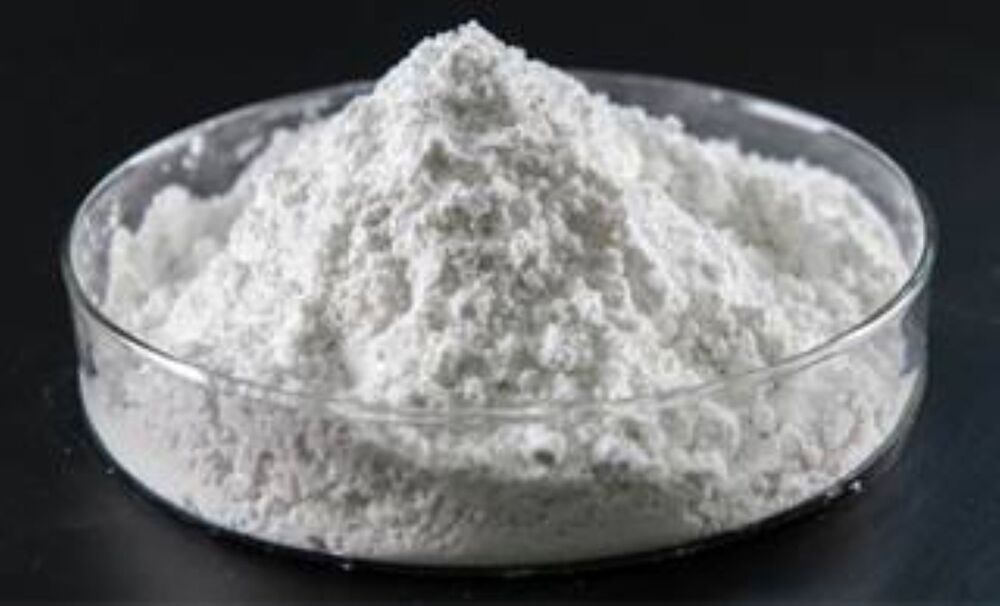
Tell us about your requirement

Price:
Quantity
Select Unit
- 50
- 100
- 200
- 250
- 500
- 1000+
Additional detail
Mobile number
Email

More Products in Industrial Chemicals Category
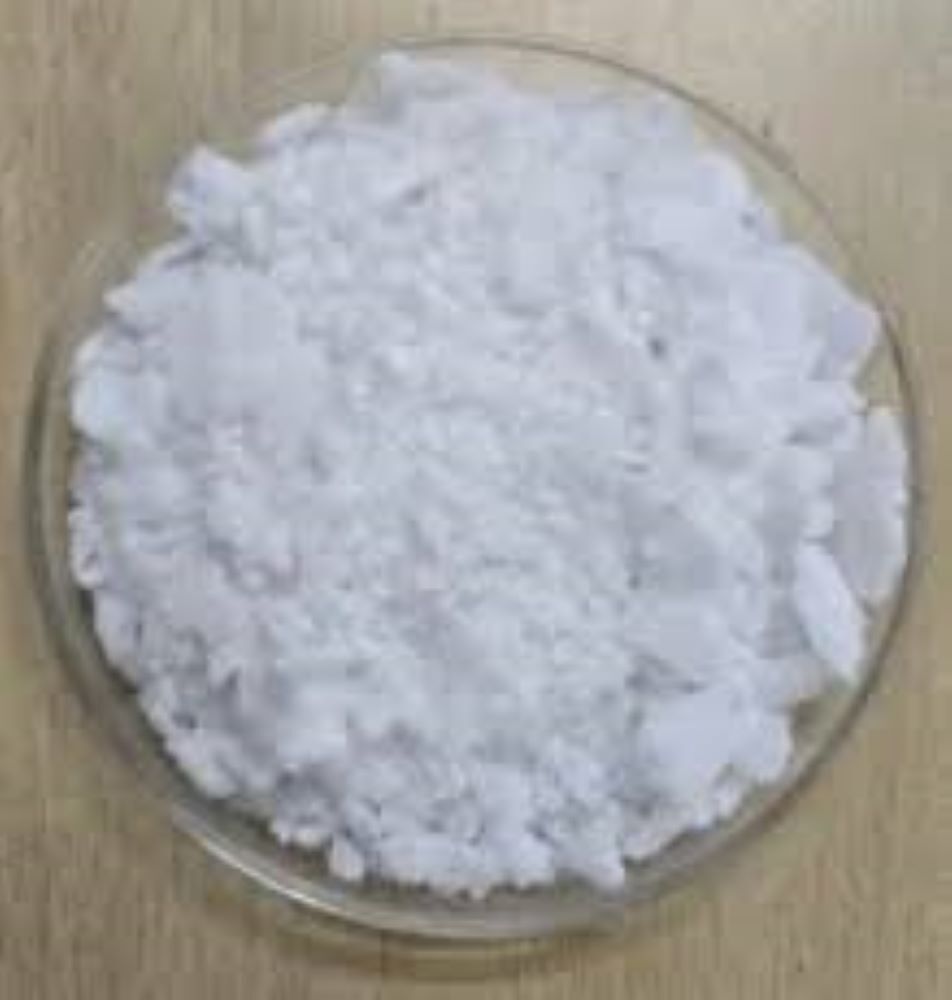
Tetraethylammonium tetrafluoroborate (TEABF4)
Price 35000.0 INR / Kilograms
Minimum Order Quantity : 25 Kilograms
Density : 1.15 g/cm Gram per cubic centimeter(g/cm3)
Storage : Keep away from moisture
Form : Powder
Shape : Crystalline
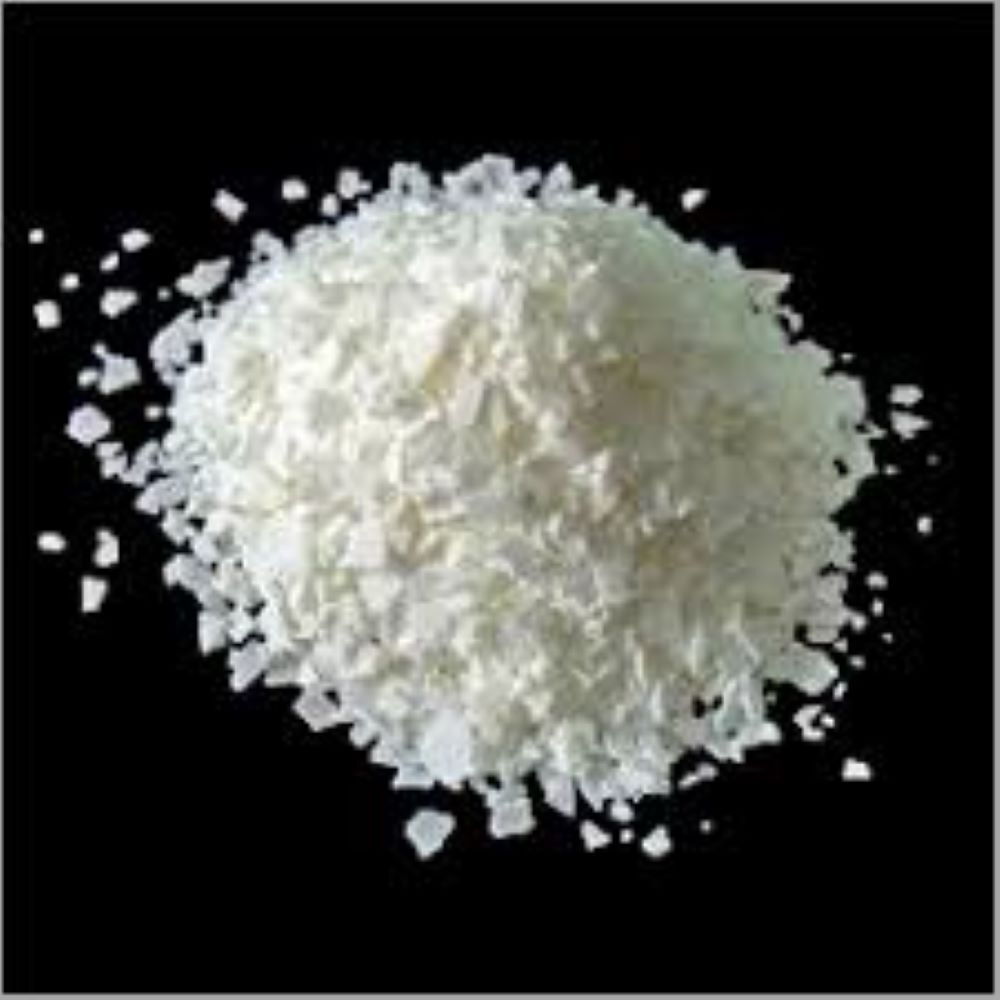
Trimellitic Anhydride (TMA)
Price 100 INR / Kilograms
Minimum Order Quantity : 25 Kilograms
Density : 1.54 g/cm Gram per cubic centimeter(g/cm3)
Storage : Keep away from moisture
Form : Other
Shape : Flakes / Solid Crystals
4 Hydroxy benzophenone
Price 1500 INR / Kilograms
Minimum Order Quantity : 10 Kilograms
Density : 1.21 g/cm Gram per cubic centimeter(g/cm3)
Storage : Dry Place
Form : Powder
Shape : Crystalline

2-Chlorobenzoic Acid powder
Price 280.0 INR / Kilograms
Minimum Order Quantity : 25 Kilograms
Density : 1.45 Gram per cubic centimeter(g/cm3)
Storage : Dry Place
Form : Solid
Shape : Other, Powdered

 Send Inquiry
Our Products
- Industrial Chemicals
- Pharma Intermediate
- Chemical Intermediates
- Chemical Compounds
- Amino Acid
- Chemical Reagent
- Industrial Solvent
- Organic Chemical
- Precious Metal And ITS Salts Chemical
- API Intermediate
- Dye Intermediate
- Organic Compound
- Inorganic Salt
- Organic Salt
- Phase Transfer Catalyst
- Aromatic Hydrocarbon Solvent
- Aldehydes Chemical
- Api Impurities
- Thiocyanate Derivates
- Alcohol Solvents
- Laboratory Chemical
- Cosmetic Actives
- Industrial Dyes
- Bromobutyric Acid
- Biolgical Buffer
- Cosmetic Chemicals


3rd Floor, Office No. T-6, Satyam Plaza, Complex, New India colony, Nikol, Ahmedabad - 382350, Gujarat, India

Mr Mehul Kanani
(Proprietor)
Mobile :08071791128
 Send Inquiry
 Send SMS
 Call Me Free

Developed and Managed by Infocom Network Private Limited.


 English
 Spanish
 French
 German
 Italian
 Chinese (Simplified)
 Japanese
 Korean
 Arabic
 Portuguese
